
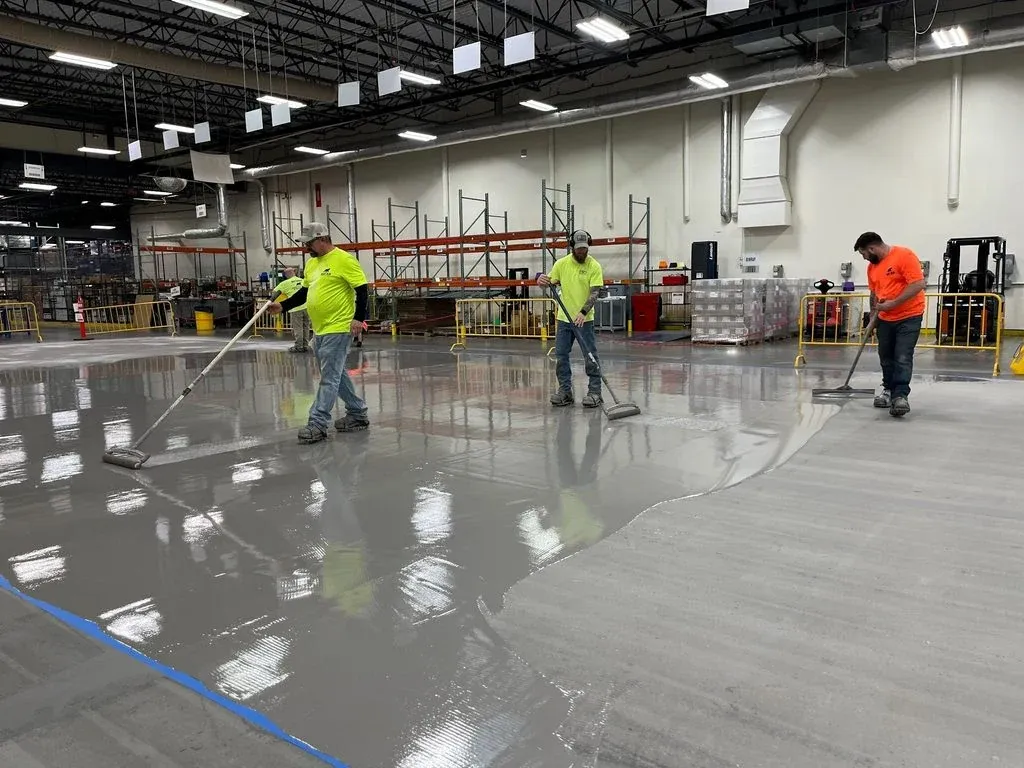
Commercial facilities require flooring that can tolerate daily operations without creating unnecessary maintenance problems. Warehouses, workshops, retail spaces, and production areas face different pressures, from constant movement to accidental spills. Choosing commercial epoxy flooring allows business owners to consider a protective surface designed for demanding conditions. However, selecting the right system involves more than comparing colors and installation prices. Understanding traffic patterns, chemical exposure, cleaning requirements, and substrate conditions helps facility managers make decisions that support both immediate operational needs and long-term flooring performance.
Understanding Daily Commercial Flooring Demands
Every commercial environment creates its own combination of flooring challenges. Automotive workshops frequently encounter oils, tools, and vehicle movement, while warehouses may experience repeated loading from forklifts and pallet equipment. Retail premises often prioritize visual consistency alongside pedestrian safety and regular cleaning. These differences determine which flooring characteristics matter most. Rather than choosing a system based exclusively on appearance, property managers should document expected activities and equipment loads. This practical evaluation helps identify suitable coating thicknesses, surface textures, and protection requirements before installation begins.
Evaluating Durability Beyond Surface Appearance
A glossy floor may create an appealing first impression, but its real value depends on how well it performs under regular use. Epoxy systems can provide resistance to abrasion, impact, and certain chemicals when formulated and installed for the intended environment. Performance varies according to product selection, substrate preparation, and the intensity of daily activity. Areas exposed to aggressive chemicals or substantial thermal changes may require specialized alternatives. Facility managers should review technical specifications and realistic operating conditions rather than assuming every epoxy system provides identical protection.
Preparing Concrete for Reliable Coating Adhesion
Successful coating installation begins with the condition of the existing concrete. Dust, oil contamination, moisture problems, and weak surface material can interfere with adhesion. Contractors typically assess the substrate before using suitable mechanical preparation methods, including grinding, to establish the required surface profile. Cracks and damaged sections may need separate treatment. An epoxy floor coating should only be installed when the concrete meets the selected manufacturer’s requirements. Thorough preparation helps reduce premature peeling, blistering, and other avoidable coating failures during commercial use.
Considering Safety Across Different Work Areas
Flooring safety depends on the relationship between surface texture, environmental conditions, footwear, and the activities taking place nearby. Smooth finishes may be easy to clean, but wet or contaminated areas can require additional traction. Suitable slip-resistant aggregates can be incorporated into certain coating systems to improve grip. Facility managers should identify entrances, washdown zones, and areas exposed to frequent spills when evaluating finishes. Selecting the appropriate texture involves balancing traction, cleanability, and operational requirements rather than assuming the roughest available finish is always preferable.
Coordinating Installation With Business Operations
Commercial flooring projects require careful coordination because surface preparation, application, and curing can temporarily restrict access to important areas. Businesses operating continuously may benefit from phased installation, provided the chosen coating system and site conditions support that approach. Contractors should establish realistic timelines based on temperature, humidity, material specifications, and required return-to-service periods. Equipment relocation and temporary pedestrian routes may also need consideration. Communicating these arrangements before work begins helps employees, contractors, and management maintain safe operations throughout the renovation without overlooking essential installation requirements.
Managing Cleaning and Routine Surface Maintenance
Regular maintenance plays an important role in preserving commercial floor coatings. Although suitable epoxy surfaces can resist many common spills, contaminants should still be removed promptly to reduce staining and potential slip hazards. Cleaning products must be compatible with the installed coating, particularly where concentrated chemicals are involved. Abrasive debris should not be allowed to accumulate in high-traffic areas. Facility teams can establish cleaning schedules based on actual usage rather than appearance alone. Periodic inspections also help identify localized damage before repairs become more extensive.
Comparing Installation Costs With Long-Term Value
The lowest installation quote does not necessarily represent the best financial decision for a commercial property. Surface preparation, material specifications, coating thickness, and installation complexity all influence project costs. An inexpensive system may prove unsuitable if it requires frequent repairs or cannot tolerate the intended environment. Conversely, unnecessary upgrades can increase expenses without delivering meaningful operational benefits. Comparing detailed proposals helps owners understand what each installation includes. Evaluating expected service life, maintenance needs, and potential business disruption provides a more useful perspective on overall flooring value.
Conclusion
Commercial flooring investments should reflect how a facility operates rather than appearance alone. Appropriate substrate preparation, carefully selected materials, and realistic maintenance planning contribute to reliable results. Businesses throughout Atlanta can explore suitable coating solutions through khaysservices.com, which provides flooring services for commercial and industrial environments. Before scheduling a renovation, facility managers should request a site evaluation and discuss traffic conditions, exposure risks, and installation requirements. Choosing a flooring system around these practical factors supports safer operations, easier maintenance, and more effective long-term property management.