
Scheduling timely roller replacement for smooth operation is one of the most overlooked yet impactful ways to extend the life of your garage door system. Every time you open or close your garage, a series of small wheels guide hundreds of pounds of door panels along vertical and horizontal metal tracks. When those wheels wear down, crack, or seize, the entire door suffers from excessive friction, loud grinding noises, and premature opener failure, making professional garage door roller replacement essential for restoring quiet, reliable performance.
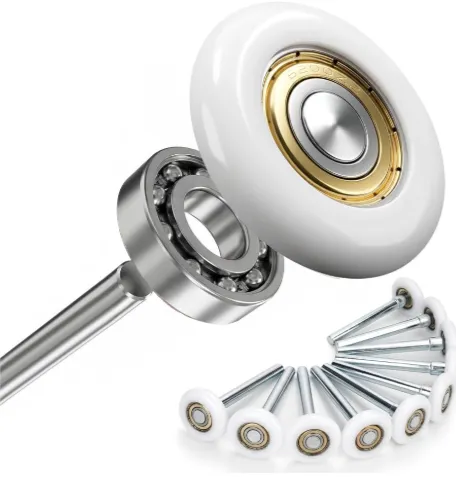
In this guide, you will learn how garage door rollers function, how to spot early signs of wear, which roller materials offer the best return on investment, and what happens during a professional replacement service.
Why Garage Door Rollers Matter More Than You Think
Many homeowners assume that noisy or jerky door movement points to a failing electric opener. In reality, your automatic opener only provides guidance and light pulling power while the springs carry the door weight and the rollers minimize track friction.
When rollers glide effortlessly inside the track, your door moves evenly without binding or vibrating. Once bearings degrade or wheels flatten, friction spikes dramatically, forcing the opener motor and lifting cables to work twice as hard during every cycle.
Key Takeaway: Worn rollers do not just create annoying noise. They transfer destructive vibration into hinges, tracks, and opener gears, turning an inexpensive hardware swap into a major mechanical repair.
Warning Signs You Need New Garage Door Rollers
Garage door rollers rarely fail all at once. Instead, they show gradual symptoms that worsen over months of daily use. Catching these warning signs early prevents sudden off-track emergencies.
-
Loud Grinding, Squeaking, or Rattling: Healthy rollers with sealed bearings glide quietly. Metal-on-metal scraping or rhythmic clicking indicates dry, cracked, or worn bearings.
-
Jerky or Hesitant Door Movement: If your door shudders, vibrates, or pauses mid-travel, flat spots on the wheels are likely catching inside the tracks.
-
Visible Cracks, Chips, or Flat Edges: Inspect the wheels visually while the door is closed. Any chipped nylon, bent steel stems, or wobbly wheel hubs require immediate attention.
-
Door Slipping Out of Alignment: Excessive play in worn roller stems allows the door panels to shift sideways, increasing the risk of a panel derailing completely.
-
Excessive Vibration in the Opener Rail: Watch the overhead opener rail while the door operates. Violent shaking usually traces back to rough wheel travel rather than motor defects.
Choosing the Best Roller Material for Your Garage Door
Not all replacement rollers deliver the same durability or noise reduction. Selecting the right material during a roller replacement for smooth operation depends on your garage layout, door weight, and budget.
Why Sealed Nylon Rollers Are the Gold Standard
For most residential properties, 13-ball-bearing sealed nylon rollers represent the ideal upgrade. The durable nylon shell absorbs vibration against steel tracks, cutting operating noise by up to 75 percent compared to bare steel wheels. Meanwhile, the sealed bearing cap blocks dust, road grit, and moisture from contaminating the internal steel bearings.
How Professionals Perform Garage Door Roller Replacement
While swapping middle rollers may look straightforward, replacing bottom rollers involves high-tension lift cables connected directly to the spring system. Technicians follow a strict sequence to protect both the door structure and personal safety.
-
Disconnect Power and Secure the Door: The technician unplugs the automatic opener and clamps the door tracks so panels cannot shift unexpectedly.
-
Inspect Tracks, Hinges, and Stems: Before installing new wheels, the technician checks vertical and horizontal tracks for dents, bends, or loose wall brackets that could damage new rollers.
-
Replace Upper and Center Rollers: Working section by section, the technician unbolts each hinge, slides out the worn roller stem, inserts the new ball-bearing roller, and torques the hardware securely.
-
Safely Service Bottom Corner Brackets: Because bottom brackets anchor high-tension cables, technicians either relieve spring tension first or use specialized locking tools to swap bottom rollers without disturbing cable balance.
-
Align Tracks and Test Balance: Once all rollers are seated, the technician adjusts track spacing to eliminate binding, lubricates pivot points, and tests manual and automatic travel.
Safety Warning: Never loosen or remove the bottom corner brackets on a garage door while the springs are under tension. Those brackets hold lethal cable force and must only be serviced with proper spring-winding equipment.
Maintenance Tips to Maximize Roller Lifespan
After completing a roller replacement for smooth operation, simple preventive habits will keep your new hardware running quietly for more than a decade.
-
Use Silicone or Lithium-Based Lubricant: Twice a year, apply a light coat of garage door silicone spray or white lithium grease to exposed bearing races and hinge pivot points. Avoid heavy automotive grease or standard WD-40, as these attract dirt and strip protective factory lubricants.
-
Keep Tracks Clean and Dry: Wipe the inside channels of your vertical and horizontal tracks with a clean cloth to clear away cobwebs, leaves, and road salt. Never apply grease inside the track channel itself, as rollers are designed to roll rather than slide.
-
Check Hardware Tightness Annually: Door vibration can gradually loosen hinge bolts and track brackets. Inspect and snug loose fasteners once a year using a standard socket wrench.
-
Schedule Routine Balance Checks: Disconnect your opener once a season and lift the door manually halfway. A properly balanced door should stay in place effortlessly without slamming down or shooting upward.
Upgrade Your Door Performance Today
Investing in high-quality roller replacement for smooth operation transforms how your garage door sounds, feels, and ages over time. Upgrading worn plastic or noisy steel wheels to precision sealed nylon rollers reduces strain on your opener, prevents costly track derailments, and restores whisper-quiet reliability every single day.