
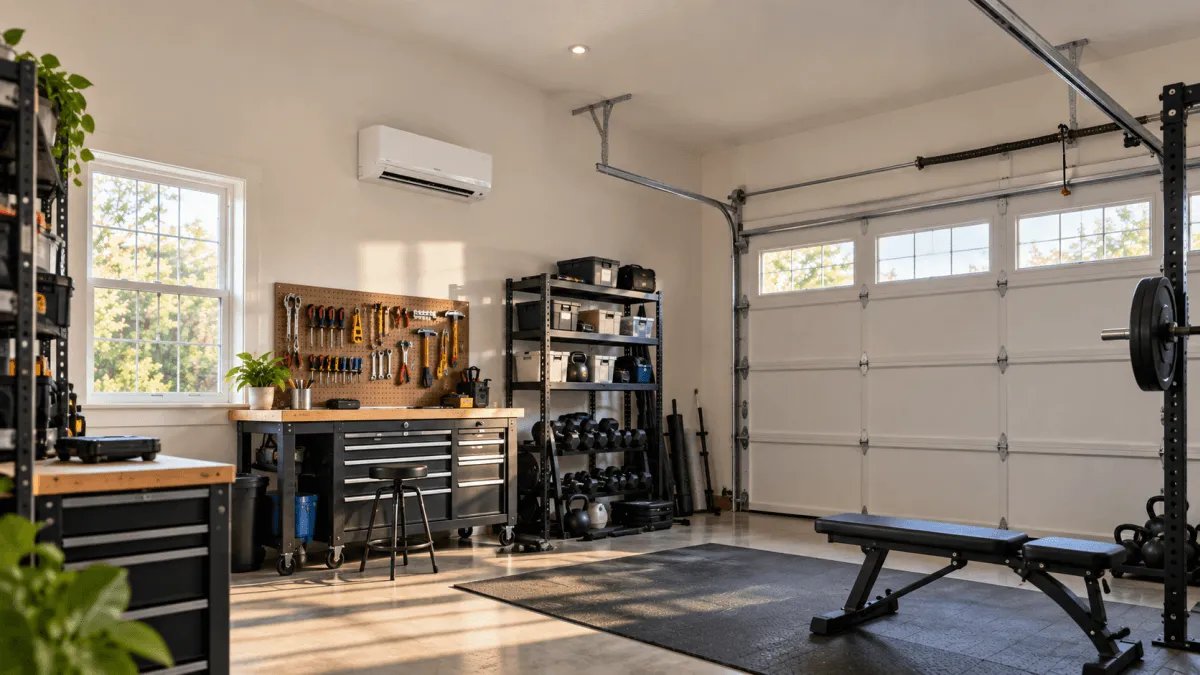
Most garages start as parking spots and slowly become dumping grounds. Bikes lean against walls, tools migrate to random shelves, and seasonal items pile up until nobody can find anything. Effective garage organization is less about buying bins and more about designing a system around how your household actually lives. When the layout makes sense, the space can serve as a workshop, hangout area, storage hub, and parking bay without friction. Here is a practical, step-by-step framework for getting there, starting today.
Start by Defining Zones
Zones are the backbone of any lasting system. Decide which areas handle parking, which hold tools, which store seasonal gear, and which serve as a staging spot for daily items like sports bags. Sketch the floor plan on paper first. Keep related things together so every object has an obvious home. Put frequently used items at eye level near the door, and push rarely used ones higher or deeper. When zones are clear, tidying becomes automatic because everyone knows where things belong.
Use Vertical Space First
Floors fill up quickly, so look upward. Wall-mounted cabinets, slatwall panels, and tracks hold tools, bikes, and sports equipment off the ground. Ceiling racks swallow bulky holiday bins and camping gear. Going vertical frees floor area for vehicles and projects while keeping items visible and reachable. Measure ceiling height, door clearance, and stud locations before buying anything. Safety first: anchor heavy units securely. A smart vertical plan can greatly expand usable capacity without making the room feel smaller or more crowded.
Tame the Chaos of Small Items
Small things cause the biggest messes. Screws, garden tools, car-care products, and kids’ gear scatter easily without containers. Use clear bins, labelled drawers, and magnetic strips so contents are visible at a glance. Pick containers that actually fit the items inside. Group items by task, such as a tire-inflation kit or a gardening set, to speed up routines. Label everything in large, simple text. Once labelling becomes a habit, family members stop asking where things are and begin returning them without reminders.
Let Fresh Air In Without the Bugs
A garage that doubles as a hangout or workshop needs airflow, but open doors invite mosquitoes, flies, and leaves. That is where garage door screens shine. A retractable screen covers the opening, letting breezes and daylight pass while keeping insects out. It turns a stuffy bay into a comfortable room for projects, gatherings, or kids’ play on warm Ontario evenings. Fresh air also reduces odours from paint, fuel, and stored items, making the space more pleasant. Plan workbenches with that airflow in mind.
Build a Comfortable Work Zone
If you tinker, craft, or repair, give projects a dedicated corner. A sturdy workbench, good lighting, and nearby power outlets make a bigger difference than expensive tools. Store hazardous materials like solvents and fuels in closed cabinets, away from living-space doors and children. Keep a small fire extinguisher within reach. Layered lighting reduces shadows and eye strain. Position the bench where long boards can pass through without hitting vehicles, and leave enough clearance so you can work comfortably on weekends.
Plan for Seasonal Rotation
Storage needs change with the calendar. Winter tires, snow shovels, and holiday decorations compete with patio furniture, bikes, and gardening supplies. Create a rotation habit twice a year, moving off-season items to high shelves and bringing current gear forward. Tie the swap to clock changes so you remember. Use a simple checklist to avoid forgetting items. Rotating also gives you a natural moment to donate or discard what you no longer use, preventing the slow accumulation that eventually overwhelms even well-designed systems.
Maintain the System
No system survives without upkeep. Schedule a short monthly reset where you return strays, wipe shelves, and check that heavy units remain secure. Review what works and adjust labels or zones when habits change. Involve everyone who uses the space, because systems fail when only one person understands them. Small, regular tune-ups take far less effort than occasional marathon cleanouts, and they keep the garage ready for whatever the household needs next. Aim for steady progress each month rather than perfection.
Conclusion
A functional garage is built from clear zones, smart vertical storage, and habits that everyone can maintain. Add comfort features like airflow and good lighting, rotate seasonal gear, and reset the space regularly. When you want expert help turning your own garage into a well-planned extension of your home, learn more at garagestoragetoronto.ca and share what you need. Start with one zone this weekend. The reward is a space that serves your household every day without becoming a source of stress.