
Gathering family and friends for festive celebrations during the holiday season creates lasting memories, but accommodating large groups inside a standard residential footprint often leads to crowded kitchens and cramped living rooms. Expanding festive entertaining out onto an exterior deck provides a versatile solution, transforming underutilized backyard space into an inviting seasonal venue. Successfully hosting holiday events outdoors requires careful preparation, ranging from thermal comfort management and spatial zoning to weatherproofing amenities and establishing adequate safety precautions. By adapting outdoor living areas to match seasonal conditions, homeowners can host comfortable, memorable holiday events regardless of cooler ambient temperatures or shifting weather patterns.
Preparing the Deck Layout for Large Gatherings
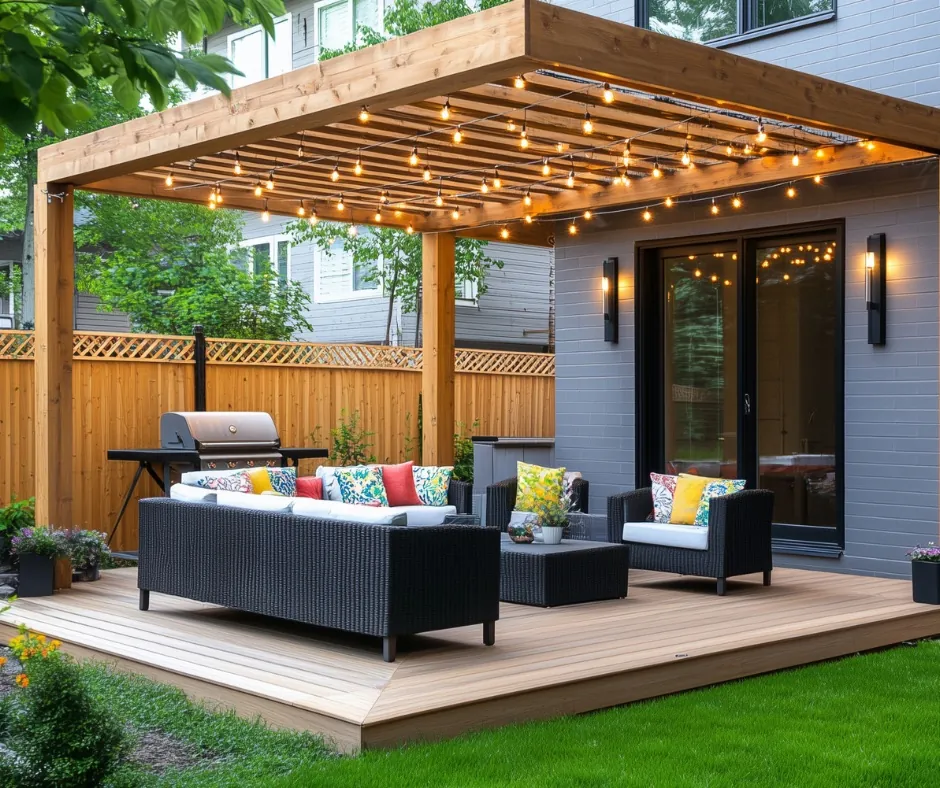
Hosting a successful holiday gathering begins with spatial planning. An outdoor deck must comfortably accommodate distinct activity zones for dining, socializing, and food preparation without creating bottlenecks near house access points.
Traffic flow is the most critical consideration when arranging outdoor furniture for events. Main thoroughfares connecting sliding back doors to outdoor seating, cooking stations, and yard access points must remain completely clear of obstructions. Creating separate stations for beverages, appetizers, and main meals encourages guests to mingle naturally across the deck rather than gathering in a single congested area.
|
Functional Zone |
Recommended Amenities |
Layout Considerations |
|
Welcome & Beverage Area |
Warm drink dispensers, insulated ice chests, glassware |
Position near house entrance to greet arriving guests |
|
Main Dining & Seating |
Modular seating, heat lamps, weather-resistant tables |
Centralize under covered zones or away from wind paths |
|
Outdoor Warming Hub |
Propane fire tables, safety screens, outdoor throw blankets |
Maintain safe clearance from railing balusters and walls |
|
Buffet & Food Service |
Thermal serving trays, covered platters, task lighting |
Place out of direct wind lines to preserve food temperature |
Furniture arrangements should prioritize flexible seating that can be adjusted based on guest count. Modular outdoor sectionals, lightweight dining chairs, and perimeter bench seating maximize floor space while ensuring everyone has a comfortable place to relax. If space is limited, utilizing high-top cocktail tables encourages standing interaction without cluttering the deck surface with heavy dining tables.
Thermal Comfort and Heating Solutions
Colder seasonal weather presents the primary obstacle when hosting holiday events on an outdoor platform. Maintaining a warm, comfortable environment ensures that guests enjoy the outdoor setting for hours rather than rushing back inside.
Radiant heating sources serve as the most effective method for warming open-air venues. Overhead infrared heaters mounted to ceiling structures or pergolas deliver direct, energy-efficient warmth to specific seating zones below without heating the surrounding ambient air. For open decks, freestanding propane patio heaters provide portable heating power that can be positioned wherever warmth is needed most.
Fire pits and propane fire tables offer both functional heat and a natural focal point for holiday socializing. When using open flame features on wooden or composite platforms, homeowners must utilize non-combustible heat pads beneath the unit to protect the underlying boards from extreme thermal stress. For property owners planning complete backyard transformations, exploring resources from custom structural specialists like https://greenhillremodeling.com/ offers valuable insights into incorporating integrated fire features, covered pavilions, and weather-resistant building materials that facilitate year-round entertaining.
Wind protection is equally important for maintaining ambient warmth. Cold breezes carry heat away rapidly, making even mild temperatures feel uncomfortable. Installing temporary drop-down outdoor curtains, clear vinyl wind barriers, or permanent privacy screens along prevailing wind directions retains heat from radiant sources and shields guests from winter gusts.
Outdoor Holiday Lighting and Electrical Preparation
As winter days feature shorter daylight hours, functional and decorative lighting becomes essential for both atmosphere and guest safety. A well-lit deck prevents tripping hazards while setting a festive holiday mood.
Layered lighting design yields the best visual and practical results. Ambient lighting, such as string lights suspended overhead or festive lanterns placed on side tables, creates a warm, welcoming glow across the deck layout. Task lighting must illuminate food service counters, grilling stations, and beverage areas so hosts can manage food preparation safely.
-
Step and Railing Safety: Ensure all stair treads, deck perimeters, and handrails are clearly illuminated with low-voltage LED strip lights, solar cap lights, or recessed step fixtures to prevent stumbles after dark.
-
Electrical Capacity: Holiday light strands, electric warming trays, and portable space heaters draw significant electrical power. Verify that all outdoor outlets are Ground Fault Circuit Interrupter (GFCI) protected and avoid overloading single exterior circuits.
3. Cable Management: Secure all exterior extension cords firmly along post bases or under threshold covers to eliminate trip hazards across main walkway paths.
Seasonal Food Service and Outdoor Cooking Strategies
Serving food outdoors during cooler months requires extra planning to ensure meals remain at safe, appetizing temperatures throughout the party.
Heat retention is the main challenge when serving meals outside. Food cools down rapidly in chilly weather, so utilizing insulated thermal serving dishes, chafing pans with Sterno cans, or slow cookers connected to exterior outlets helps maintain proper food temperatures. Keeping platters covered between servings prevents cold winds from cooling food down prematurely.
Grilling or using an outdoor kitchen during holiday events keeps the primary house kitchen clear for secondary prep tasks. Roasted meats, grilled vegetables, and warm appetizers can be cooked fresh right on the deck. Setting up a dedicated warm beverage station, featuring insulated dispensers filled with hot cider, cocoa, or mulled wine, provides guests with immediate comfort upon stepping outside.
Deck Maintenance and Winter Safety Precautions
Before opening an outdoor deck to guests for a major event, a thorough inspection and cleanup ensure the surface is safe, dry, and ready for heavy foot traffic.
Leaves, pine needles, and organic debris retain moisture and become exceptionally slick when stepped on, particularly in low winter light. Sweeping the deck surface thoroughly and clearing gaps between deck boards allows water to drain freely. If morning frost or light freezing rain occurs before the event, apply pet-friendly, non-corrosive de-icing agents or calcium chloride to melting ice; avoid standard rock salt, which can scratch composite finishes or degrade wood seals.
Inspect all railing posts, balusters, and stair handrails to confirm they are structurally firm and securely fastened. With increased guest volume, guardrails must perform reliably under lateral weight loads. Clearing ice or water from step treads and placing textured rubber mats at exterior doorways prevents moisture from being tracked indoors while providing firm footing for arriving guests.
Conclusion
Hosting holiday gatherings on an outdoor deck expands residential entertaining capacity, offering a unique environment for seasonal celebrations. By establishing functional layout zones, installing efficient radiant heating options, illuminating pathways clearly, and prioritizing safety maintenance, property owners can transform an ordinary backyard structure into a warm, festive destination. Thoughtful seasonal preparation allows hosts to embrace outdoor living throughout the holidays, delivering comfortable and memorable experiences for family and friends.