
A roof is one of the most critical structural components of any residential or commercial building, serving as the first line of defense against severe weather, thermal loss, and moisture intrusion. Throughout New York, properties endure intense seasonal shifts, ranging from freezing winter ice storms to heavy summer precipitation and high heat. Over time, these environmental conditions test the integrity of roofing assemblies, causing natural wear that can lead to structural compromise if left unaddressed. Protecting a real estate asset requires proactive maintenance, high-grade material selection, and rigorous quality standards across every installation.
Understanding how different roofing materials perform, recognizing early signs of system degradation, and prioritizing proper building envelope weatherization allows property owners to preserve real estate equity, safeguard interior living spaces, and avoid catastrophic structural repairs.
The Role of Roof Integrity in Long-Term Property Valuation
A building envelope relies heavily on an intact roofing system to shield wooden deck sheathing, structural trusses, insulation layers, and interior drywall from water infiltration. When a roof functions at peak performance, it does more than keep rain out; it regulates thermal transfer, lowers mechanical loads on heating and cooling systems, and prevents hidden structural rot.
Ignoring minor roof flaws sets off a destructive chain reaction. Moisture migrating through compromised surface materials quickly saturates underlying wood sheathing. Over time, continuous moisture exposure fosters fungal wood rot, reducing the structural load capacity of roof rafters. Furthermore, damp insulation loses its R-value, forcing HVAC units to run continuously and inflating operational energy costs. Implementing timely maintenance and professional envelope care preserves overall property value and ensures long-term building safety.
Key Environmental Challenges Facing New York Roofing Assemblies
Buildings located across the New York region face complex climate stressors that require specific material selections and specialized engineering standards.
-
Severe Freeze-Thaw Cycles: Water penetrating small cracks in masonry or shingle surfaces freezes during cold spells, expanding by roughly nine percent. This hydraulic force splits mortar joints and pries shingle fasteners loose.
-
Heavy Snow Accumulation: Snow loads place substantial static weight on flat and sloped roofs alike. As indoor heat bleeds into attic spaces, snow melt collects along unheated eaves, forming destructive ice dams.
-
Coastal Wind Uplift: High winds during winter nor’easters or summer coastal storms create strong uplift pressure along roof edges, threatening to peel unanchored single-ply membranes or lift asphalt tabs.
-
Urban Heat Island Effects: Intense sunlight exposure on dark rooftop surfaces accelerates asphalt drying, causing premature surface cracking, granule loss, and loss of membrane flexibility.
Material Selection: Matching Architecture to Weather Resilience
Selecting an appropriate roofing system requires balancing structural design, budget parameters, and long-term durability metrics.
|
Roofing System Type |
Expected Service Life |
Key Structural Benefits |
Optimal Property Application |
|
Architectural Shingles |
25 to 30+ Years |
Heavyweight multi-layer design, strong wind resistance |
Residential homes, multi-family housing, steep slopes |
|
TPO Single-Ply Membrane |
20 to 30 Years |
Heat-welded watertight seams, high solar reflectance |
Commercial flat roofs, modern residential low-slopes |
|
EPDM Synthetic Rubber |
25 to 30 Years |
High elasticity, extreme thermal expansion stability |
Large commercial roofs, high-rise buildings, flat decks |
|
Natural Slate Stone |
75 to 100+ Years |
Non-combustible, impervious to moisture, timeless beauty |
Historic restorations, luxury residential estates |
|
Standing-Seam Metal |
40 to 70 Years |
Exceptional wind rating, rapid snow shedding, low upkeep |
Steep residential slopes, modern commercial facilities |
Residential Steep-Slope Assemblies
For steep-sloped residential architecture, multi-layered architectural shingles provide a reliable balance of affordability and wind uplift resistance. Where historic aesthetics or maximum longevity are paramount, natural slate stone provides non-combustible protection that outlasts generations, provided the underlying timber framing can support its substantial weight.
Commercial Low-Slope Systems
Flat and low-slope roofs require continuous, seamless membranes to exclude standing water. Thermoplastic Polyolefin (TPO) membranes feature bright white reflective surfaces that reduce solar heat absorption while utilizing heat-welded seams that fuse sheets into a single monolithic barrier. Synthetic EPDM rubber offers superior tensile elasticity, easily accommodating the structural building movement caused by seasonal thermal shifts.
Essential Components of Complete Roof Protection
A durable roof relies on more than just the visible surface material. Long-term performance depends on an integrated assembly of protective sub-layers and drainage accessories.
Waterproof Underlayments and Flashing Systems
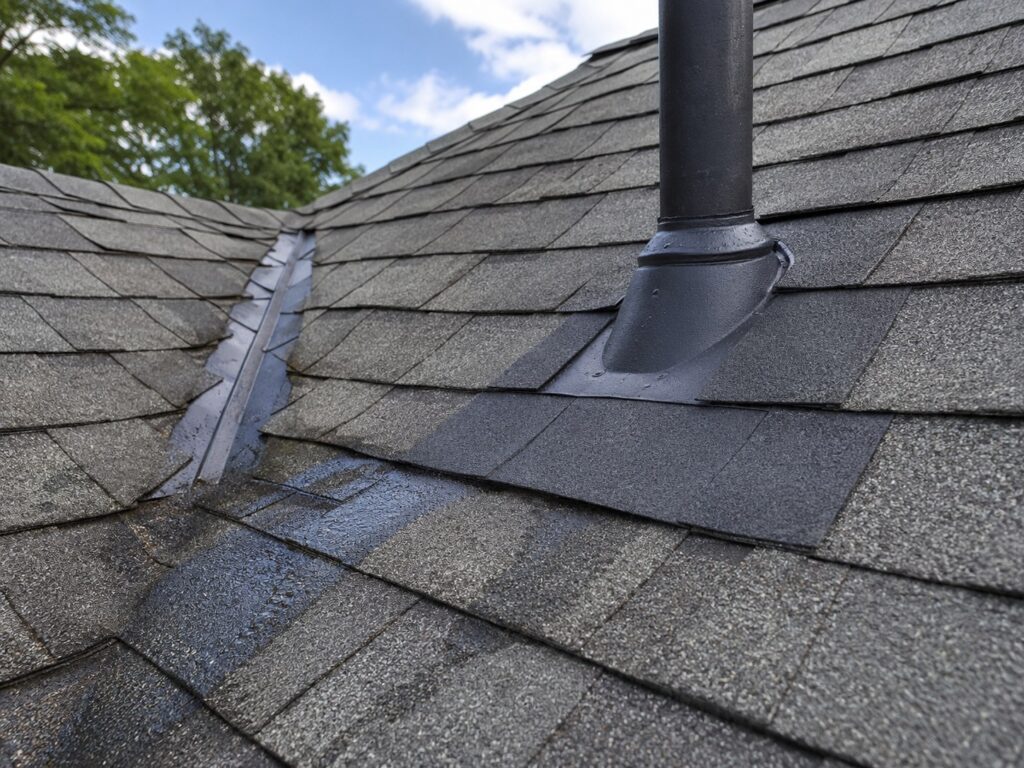
Synthetic underlayments and self-adhering ice-and-water shields create a secondary protective boundary directly above the plywood deck. At critical intersections, such as chimneys, skylights, plumbing vents, and wall transitions, custom metal flashing is installed to guide water flow safely away from structural joints.
Hydrological Gutter and Drainage Networks
Gutters, scuppers, and downspouts serve as the primary drainage management network for any building. By collecting rooftop runoff and discharging it far from exterior walls, properly pitched gutter systems prevent fascia board rot, topsoil erosion, and basement foundation cracking.
Property owners seeking to protect their real estate assets can explore specialized commercial and residential services athttp://nybestroofer.com to evaluate system health, material upgrades, and long-term maintenance strategies.
Proactive Maintenance Strategies for Building Owners
To maximize system lifespan and prevent unexpected emergency failures, property managers and homeowners should follow a structured maintenance checklist:
-
Schedule Bi-Annual Visual Audits: Inspect the roof assembly every spring and autumn to check for loose shingles, cracked flashings, or dried perimeter sealants.
-
Keep Drainage Channels Clear: Clear leaves, pine needles, and airborne silt from gutters, scuppers, and roof valleys at least twice a year.
-
Monitor Attic Airflow and Insulation: Ensure soffit and ridge vents remain clear of obstruction to maintain balanced attic ventilation, preventing interior heat buildup and ice dam formation.
-
Trim Overhanging Tree Branches: Prune limbs back from the roof perimeter to prevent physical abrasion during high winds and eliminate pest pathways.
-
Address Repairs Immediately: Fix minor sealant cracking or isolated shingle damage promptly before water reaches interior insulation or structural timber framing.
By combining high-performance roofing materials, proper structural drainage, and consistent preventive care, property owners can safeguard their physical infrastructure, enhance energy efficiency, and maintain total peace of mind for decades to come.