
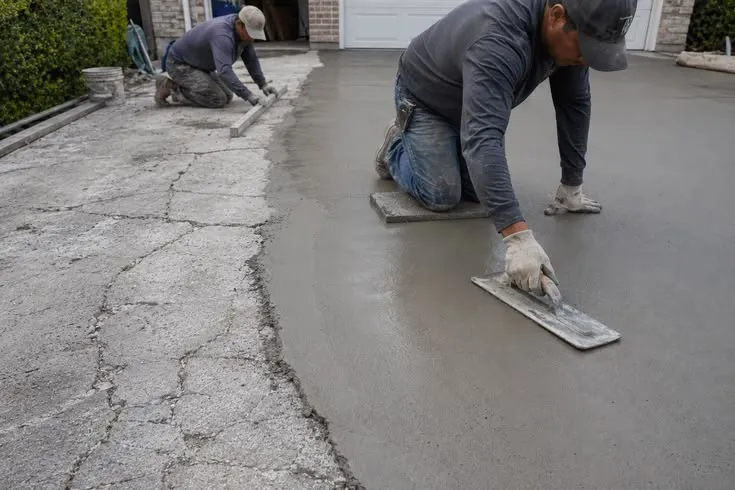
A driveway is one of the first features visitors notice outside a property. Faded colours, peeling finishes and damaged decorative overlays can make an otherwise tidy home appear neglected. For homeowners considering driveway resurfacing, removing a failing coating may be an essential first step. Understanding why finishes deteriorate and how the underlying concrete is assessed helps homeowners plan improvements without assuming the entire driveway needs replacement.
Why Driveway Coatings Begin to Fail
Outdoor driveways face constant exposure to sunlight, rainfall and vehicle traffic. Over time, these conditions can affect surface coatings, especially where the original installation lacked adequate preparation. Older decorative overlays may crack, lift or lose colour. Some coatings separate from the concrete because of trapped moisture or inadequate adhesion.
Applying another layer over a loose finish rarely solves the underlying problem. Identifying the cause of deterioration helps determine whether coating removal, concrete repairs or more extensive work is required.
Assessing the Existing Concrete Slab
A worn surface does not necessarily mean the concrete beneath it is beyond repair. Removing damaged material can reveal a slab that remains suitable for another finish. However, significant settlement, widespread cracking or poor drainage require separate attention. Coating removal alone cannot correct structural movement or water collecting in low areas.
A site assessment should consider the driveway’s condition, slope, exposure and expected vehicle loads. These findings guide the choice of subsequent repairs and surface treatments.
What to Plan Before Work Begins
A driveway renovation affects everyday access to the property. Homeowners can avoid unnecessary disruption by preparing for the practical details beforehand.
-
Parking: Arrange another space for vehicles during removal and any subsequent work.
-
Surface condition: Identify loose areas, cracks and drainage concerns.
-
Dust control: Ask how debris and grinding dust will be managed.
-
Finish options: Discuss which treatments suit outdoor vehicle traffic.
-
Access dates: Confirm curing requirements before driving on a new finish.
Planning these details early creates more realistic expectations about scheduling and costs.
How Old Coatings Are Removed
Professional concrete grinding is one method used to strip deteriorated coatings, residues and unsuitable overlays from concrete. Contractors select machines and abrasive attachments based on the coating’s thickness and the condition of the slab. Mechanical preparation can expose hidden surface defects that were previously concealed by decorative materials.
Grinding requires suitable safety measures, including dust extraction and protective equipment. Once the coating has been removed, the contractor can assess whether localised repairs or additional preparation are needed. The objective is to create an appropriate substrate for the next treatment, not simply make the old coating disappear.
Selecting a Suitable New Finish
The newly exposed surface gives homeowners an opportunity to reconsider the driveway’s appearance. Some prefer a straightforward concrete look, while others want a decorative finish that complements exterior walls and landscaping. Appearance should not be the only consideration. Driveway surfaces need suitable traction, particularly where the ground slopes or rainwater regularly crosses the area.
Any proposed treatment should be appropriate for outdoor conditions and vehicle use. Its compatibility with the prepared slab should also be checked before installation.
Allowing Time for Proper Installation
Removing the original coating is only one stage of a renovation. Cracks may need repairs, moisture conditions may require assessment, and some surfaces need further preparation. New materials also have specific application and curing requirements. Weather, product choice and concrete condition can all affect the schedule.
Homeowners should confirm when pedestrians and vehicles can safely return rather than assuming that a dry-looking finish is ready for full use.
Looking After the Restored Driveway
Regular maintenance supports the appearance of the finished driveway. Sweeping removes grit and leaves, while prompt cleaning helps prevent spills from becoming persistent stains.
Cleaning products and pressure-washing methods should suit the installed finish. Aggressive treatment can damage certain coatings, so manufacturer guidance matters.
Watch for recurring pooling, cracks or lifting sections. Responding to these signs early may help prevent larger repairs later.
Conclusion
Restoring an ageing driveway starts with understanding the existing surface, not simply choosing a new colour. Careful coating removal, appropriate concrete repairs and realistic maintenance planning can support a longer-lasting result. Homeowners should also consider drainage, traction and vehicle access before work begins. For information about driveway coating removal and concrete surface preparation in the Brisbane and Redlands area, epoxyflooringredlands.com.au outlines relevant services that can help property owners plan their next improvement.