
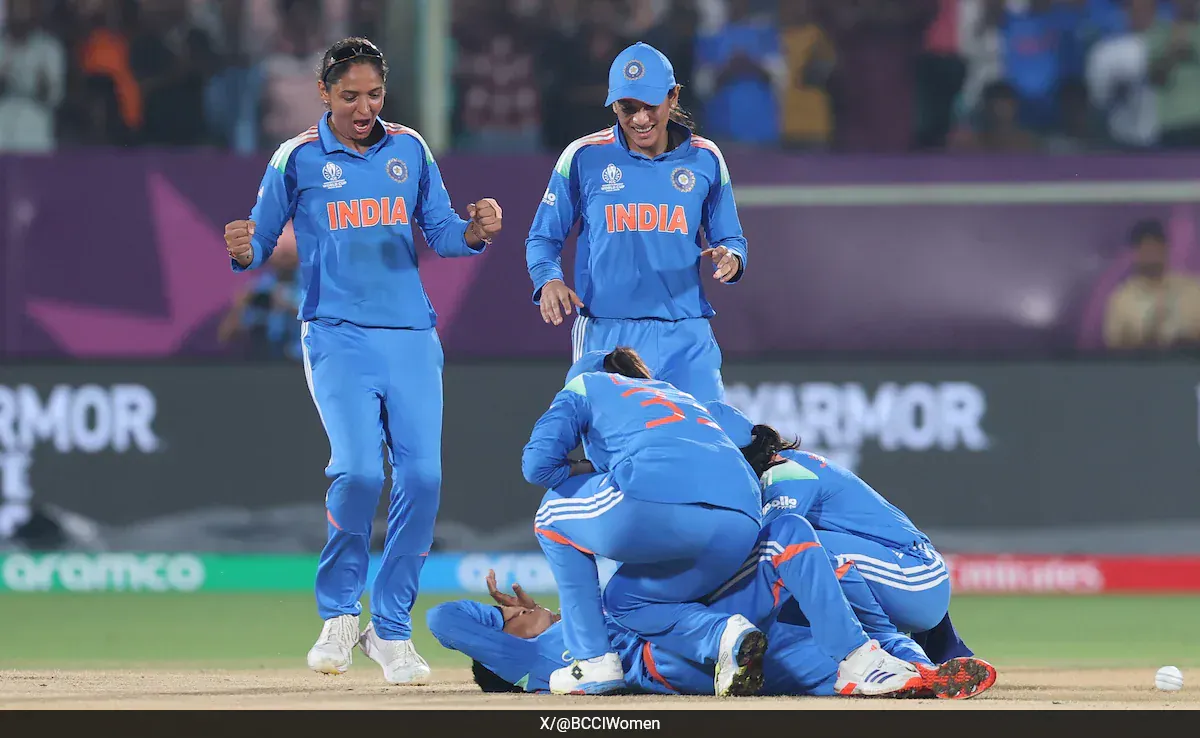
Injury Time Drama is the heartbeat of football, representing those thin slivers of time where heroes are born and legends are etched into the history books. There is an unmistakable electricity that vibrates through a stadium when the fourth official raises the electronic board to signal added time. For eighty-nine minutes, a match can be a tactical stalemate or a frustrating defensive masterclass, but the moment the clock hits ninety, the rules of logic often evaporate. Fans who were heading for the exits suddenly freeze in the aisles, while those at home lean closer to their screens, heart rates spiking in unison. It is a period of pure, unadulterated chaos where the tactical plans of world-class managers are often traded for desperate lunges and long, hopeful balls into the box.
The beauty of these final moments lies in the raw human emotion that they extract from every participant. Players who are physically spent and suffering from cramp suddenly find a reservoir of adrenaline they didn’t know existed. The psychological weight of the “now or never” scenario forces mistakes from the best defenders and grants sudden clinical precision to struggling strikers. This phenomenon is not merely about luck; it is about the intersection of intense pressure, physical exhaustion, and the collective will of a team refusing to accept defeat. Every pass in injury time feels heavier, every whistle from the referee sounds sharper, and every goal scored in this window carries a weight that early-game goals simply cannot match.
For many of us, our most vivid footballing memories are tied to these breathless sequences of play. We remember exactly where we were when a certain ball hit the back of the net in the 94th minute, changing the trajectory of a season or a tournament. This article explores the depths of this late-game madness, examining why it happens, how it has evolved, and why we, as fans, are so addicted to the agony and ecstasy of those final seconds.
The Psychological Toll of Injury Time Drama
When the regulation ninety minutes expire, the game enters a psychological “twilight zone” where the mental fortitude of a squad is tested more than their technical ability. Defenders who have been perfect for the entire match can suddenly lose their sense of positioning due to the sheer panic of an impending result. From a psychological perspective, the trailing team has nothing left to lose, which allows them to play with a reckless abandon that is difficult to defend against. They commit more bodies forward, ignore traditional defensive structures, and essentially gamble everything on one final surge of momentum.
Conversely, the team holding onto a lead often falls into the trap of “defensive anxiety.” They stop playing the football that got them the lead and instead retreat deep into their own half, inviting waves of pressure. This shift in mindset often creates a self-fulfilling prophecy where the fear of conceding leads directly to the mistake that allows the goal. It is a fascinating study in human behavior under extreme duress, where the ticking clock acts as a relentless antagonist for one side and a desperate motivator for the other.
The role of the crowd during this period cannot be understated, as the wall of sound in a stadium can either paralyze a team or propel them forward. In the home stadium of a team chasing a goal, the atmosphere becomes a physical force. The rhythmic chanting and the desperate roars with every corner kick create an environment where communication between players becomes nearly impossible. In these moments, elite players rely on instinct and years of training, as tactical instructions from the touchline are swallowed by the noise. This sensory overload is a key ingredient in the recipe for Injury Time Drama, as it strips the game back to its most primitive and passionate form.
Historic Moments of Injury Time Drama
To speak of last-minute miracles without mentioning the 1999 Champions League Final would be a disservice to the sport’s history. Manchester United were trailing Bayern Munich for almost the entire match, and as the clock ticked into added time, the trophy was practically already in German hands. What followed were three minutes that redefined the concept of a comeback. Two corners, two goals from Teddy Sheringham and Ole Gunnar Solskjaer, and a complete reversal of fortunes. The sight of Bayern players collapsing in despair while United players sprinted in disbelief remains one of the most poignant images of late-game volatility.
Then there is the legendary “Aguerooooo” moment in 2012, which many consider the greatest single instance of domestic league theatre. Manchester City needed a win against QPR to secure their first Premier League title in forty-four years. As the match entered the 91st minute, they were trailing 2-1, and their cross-town rivals Manchester United had already finished their game as champions-elect. Edin Dzeko’s equalizer provided a flicker of hope, but Sergio Aguero’s 94th-minute winner exploded into a cultural phenomenon. It was a moment where an entire city’s history was rewritten in a matter of seconds, proving that no lead is safe until the final whistle.
Real Madrid’s “La Decima” in 2014 provides another masterclass in late-game persistence. Facing their city rivals Atletico Madrid, the giants of Europe were seconds away from a painful defeat. Sergio Ramos’s towering header in the 93rd minute didn’t just equalize the game; it broke Atletico’s spirit entirely. By the time extra time was finished, Real had won 4-1, but the match was truly won in that singular moment of Injury Time Drama. These instances serve as a reminder that the quality of a team is often measured by their refusal to stop playing until the referee brings the game to a definitive close.
The Evolution of Added Time and Modern Directives
In recent years, the way injury time is calculated and perceived has undergone a significant transformation. Historically, three minutes of added time was the standard “safe” bet for officials, regardless of the actual number of stoppages. However, recent directives from FIFA, most notably observed during the 2022 World Cup in Qatar, have pushed for a more accurate representation of lost time. This has led to matches regularly extending into ten or even fifteen minutes of added time. While this was initially met with some confusion, it has created a “second half of the second half” that offers even more room for chaos.
This extension of the game has forced teams to reconsider their physical conditioning and squad depth. A manager can no longer assume their starting eleven can maintain the required intensity for a full 105 minutes. Substitutions made in the 80th minute are now tactical weapons designed specifically for the expanded injury time period. Fresh legs against a fatigued defense are more dangerous than ever, and we are seeing an increase in goals scored after the 100-minute mark. This shift has essentially created a new phase of the game where the tactical approach is vastly different from the opening hour.
The presence of the Video Assistant Referee (VAR) has also added a new layer of tension to these final moments. Now, a goal scored in the 96th minute isn’t just celebrated; it is scrutinized. The agonizing wait for a silent official in a distant room to check for an offside or a foul adds a different type of anxiety to the proceedings. It can turn a moment of pure ecstasy into a clinical rejection, or it can provide a team with a lifeline through a late-awarded penalty. This intersection of high technology and raw emotion has changed the rhythm of the game’s finale, making the drama last even longer as we wait for the “all clear.”
The Physicality of the 95th Minute
The physiological state of an athlete in the dying embers of a match is a world away from their state at kick-off. Glycogen stores are depleted, muscles are flooded with lactic acid, and the central nervous system is firing at maximum capacity to keep the body moving. Scientific studies on professional footballers have shown that the risk of injury significantly increases during the final fifteen minutes of a match. However, this physical vulnerability is exactly what allows for so much Injury Time Drama. When the body is tired, the mind makes mistakes, and in those mistakes, opportunities are born.
Defenders find it harder to track runners, goalkeepers might lose a fraction of their reaction speed, and attackers find more space as the midfields begin to stretch. It becomes a game of “transitional” football, where the ball travels from one end of the pitch to the other in seconds. This high-paced, end-to-end action is physically taxing but provides the perfect stage for a late winner. The players who thrive in these moments are often those with the highest level of aerobic capacity and, perhaps more importantly, the highest level of mental resilience.
Managers often train for these scenarios specifically, working on “two-minute drills” similar to those found in American football. They practice how to maintain composure when the plan goes out the window and how to execute basic skills when the lungs are burning. This specialized training acknowledges that the end of a game is its own separate beast. The ability to complete a simple five-yard pass or hit a clean cross into the box becomes an elite skill when you are gasping for air and the weight of a stadium’s expectations is on your shoulders.
The Role of the Goalkeeper in Late Attacks
One of the most thrilling sights in football is the image of a goalkeeper sprinting the length of the pitch to join an attack in the final seconds. It is the ultimate “hail mary” play, a signal that all caution has been abandoned. When a goalkeeper enters the opposing penalty area, it creates a tactical dilemma for the defenders. Who marks the extra man? The sudden presence of a player wearing a different colored jersey and possessing a different physical profile can cause enough confusion to allow a teammate to get a clean header on goal.
While rare, we have seen goalkeepers actually score in these moments, sparking scenes of pandemonium. Alisson Becker’s header for Liverpool against West Brom in 2021 is a prime example. It wasn’t just a goal; it was a season-saving moment that kept his team’s Champions League hopes alive. These events are the pinnacle of Injury Time Drama because they represent a total departure from the norm. A goalkeeper’s job is to prevent goals, so when they become the one scoring them, it feels like the natural order of the universe has been momentarily suspended.
Even if the goalkeeper doesn’t touch the ball, their presence adds to the psychological pressure on the defending side. It reinforces the idea that they are being laid under siege. The chaotic scramble that often follows a late corner kick is a microcosm of the match’s entire emotional journey. It is a messy, uncoordinated, and beautiful fight for the ball that perfectly encapsulates why we love the sport. In those moments, the tactical diagrams of the coaching staff are forgotten, and it becomes a simple battle of who wants the ball more.
Tactical Shifts: The “Route One” Resurgence
In the modern era of high-pressing, possession-based football, the final five minutes often see a return to the classic “Route One” style. Managers who usually demand playing out from the back will suddenly scream at their goalkeepers to “get it long.” This shift is a practical response to the clock. When time is your greatest enemy, you cannot afford the luxury of a twenty-pass build-up. You need the ball in the danger zone as quickly as possible. This often involves bringing on a “target man”—a tall, physical striker whose sole job is to win aerial duels and knock the ball down for others.
This change in tactics forces the defending team to adapt instantly. They move from a medium block to a “low block,” packing the penalty area with as many bodies as possible. The game becomes a bombardment, with crosses flying in from every angle. This style of play may not be as aesthetically pleasing as a Pep Guardiola masterclass, but it is incredibly effective at creating the chaotic conditions necessary for a late goal. It is a war of attrition where the side that can stay organized under the hail of long balls usually survives, while the side that loses their shape for a split second is punished.
Interestingly, we also see the “tactical foul” become a prominent feature of the injury time landscape. Players will intentionally take a yellow card to stop a promising counter-attack, sacrificing themselves for the good of the result. These cynical but necessary acts are a key part of the “dark arts” of the game. They disrupt the flow of the chasing team and eat up precious seconds on the clock. It is a high-stakes chess match where every move is calculated to either kill the game or keep it alive for one more attack.
The Cultural Impact of Late-Game Magic
The influence of late winners extends far beyond the final whistle of the game. These moments become part of a club’s folklore, discussed by fans in pubs and on social media for years to come. They create a sense of “manifest destiny” for certain teams, a belief that they are never truly beaten until the game is over. This “never say die” attitude becomes a part of a team’s brand, attracting new fans and terrifying opponents. When a team is known for scoring late, they carry a psychological edge that can influence a match long before the 90th minute even arrives.
Social media has amplified the impact of these moments, with clips of late goals going viral within minutes. The collective digital roar of millions of fans sharing the same piece of Injury Time Drama creates a global community of excitement. It allows fans who couldn’t be at the stadium to feel a part of the madness. The memes, the slowed-down replays, and the fan-cam reactions all contribute to the myth-making process that surrounds last-minute goals. They are the moments that define seasons and, in some cases, entire careers.
For the neutral fan, there is nothing quite like a game that is decided in the final seconds. It is the ultimate entertainment, providing a narrative arc that keeps you engaged until the very end. This unpredictability is what makes football the most popular sport in the world. You can watch a game for eighty-five minutes and think you know the outcome, only for a single moment to flip the script and leave you speechless. It is a reminder that in life, as in football, it is never over until it is truly over.
The Science of Added Time Calculation
Understanding how injury time is actually calculated can demystify some of the drama, though it rarely lessens the tension. The fourth official and the referee are responsible for tracking all significant stoppages, including injuries, substitutions, goal celebrations, and VAR reviews. There is a common misconception that the time shown on the board is a fixed amount. In reality, it is a minimum amount. If a player is injured during added time, the referee is obligated to add even more time to the clock, leading to those legendary “90+8” minute scenarios.
In the past, time-wasting was a highly effective way to see out a game. Players would take an eternity to take a goal kick or go down with mysterious injuries to break the momentum of the opposition. However, the new FIFA directives have made this much harder. Officials are now instructed to stop their watches for these delays and add the exact time back at the end. This has led to a fairer contest where the ball is in play for a higher percentage of the match. It also means that a team that tries to waste time early in the second half might find themselves facing a dauntingly long injury time period at the end.
This shift in officiating has been praised for its fairness but criticized by some who feel it makes the game too long and physically demanding. However, from a spectacle perspective, it is a massive win. More time means more opportunities for drama, and as we have seen, the quality of football in those added minutes is often the most exciting of the entire match. It has turned the end of the game into a high-intensity “extra” period that rewards the team with the best stamina and the most positive tactical approach.
Emotional Resilience and the “Fergie Time” Legend
The term “Fergie Time” became a staple of English football during the reign of Sir Alex Ferguson at Manchester United. It referred to the uncanny ability of his teams to score late goals, often deep into injury time. While some rivals claimed it was due to referees being intimidated into adding more time, statistical analysis actually suggests that United simply attacked with more intensity in the final minutes than any other team. They had an ironclad belief that they would score, and that belief often manifested in reality.
This legend had a profound psychological impact on opponents. When they faced United, they didn’t just have to play for ninety minutes; they had to survive the “Fergie Time” onslaught. This created a sense of inevitability that often led to defensive collapses. It is a perfect example of how a team’s reputation for Injury Time Drama can become a weapon in its own right. The players believed they would win, the fans believed they would win, and eventually, even the opponents began to believe it too.
Building that kind of emotional resilience takes years of consistent performance. It requires a leadership group within the team that remains calm when the clock is against them. When a young player sees their captain still sprinting and demanding the ball in the 94th minute, it inspires them to do the same. This cultural blueprint for late-game success is one of the most difficult things to build in football, but it is also one of the most valuable assets a club can possess.
The Economic and Betting Impact of Late Goals
From a financial perspective, the final minutes of a match are the most volatile for the global betting markets. Millions of dollars can change hands based on a single 95th-minute goal. This has led to the rise of “in-play” betting, where fans can place wagers on whether a goal will be scored in the next five minutes. The sheer volume of money involved in these late-game scenarios adds a different, perhaps more cynical, layer to the drama. For many, a late winner is not just a sporting triumph; it is a financial one.
For the clubs themselves, late goals can have massive economic implications. A goal that secures a place in the Champions League or prevents relegation can be worth tens of millions of euros in television rights and sponsorship deals. The pressure on a player taking a 96th-minute penalty is not just about the game; it is about the future of the entire institution. This hidden economic weight is part of why the tension in those final moments is so high. It is a high-stakes gamble played out on a patch of grass in front of the world.
Managers are also acutely aware that their job security often hangs on these moments. A string of late losses can lead to a sacking, while a few dramatic wins can buy them months of patience from the owners and the fans. The professional stakes are absolute. When you see a manager celebrating a late winner with the same intensity as his players, it is because he knows exactly what that goal means for his career. It is a moment of pure professional relief that only the world of sports can provide.
Reflecting on the “Last-Minute” Philosophy
As we analyze the mechanics and the history of the game’s finale, we realize that the end of a match is a microcosm of the human experience. It is about the struggle against time, the refusal to give up, and the sudden, explosive joy of success against the odds. We are drawn to these moments because they remind us that anything is possible until the very last second. Whether it is a perfectly placed free-kick, a scrappy tap-in, or a goalkeeper’s header, the method doesn’t matter as much as the timing.
The game of football is designed to be a slow build-up to a crescendo, and the injury time period is that crescendo realized. It is the part of the match that we talk about for years, the part that makes us cry, and the part that makes us fall in love with the game all over again. As long as there is a clock and a scoreboard, there will be teams fighting to change their destiny in the final moments. And as long as they keep fighting, we will keep watching, waiting for the next great moment of Injury Time Drama to unfold before our eyes.