
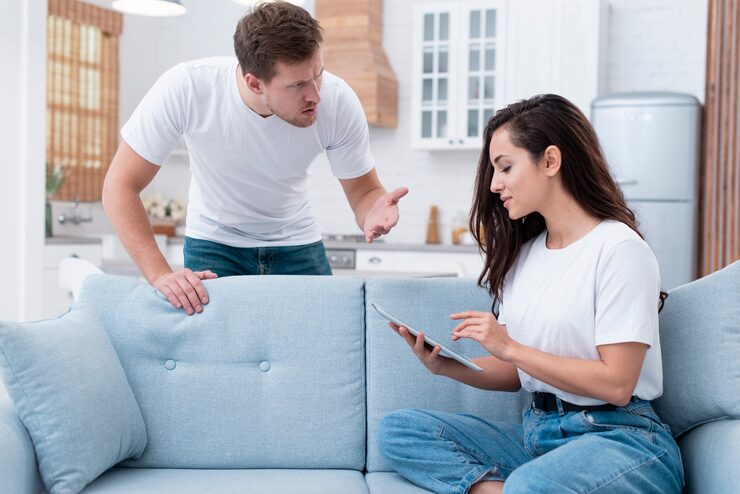
Conflict resolution at home is an essential life skill that helps families maintain harmony, trust, and emotional stability. Every household experiences disagreements, but the way those conflicts are handled determines whether they lead to growth or lasting tension.
A peaceful home doesn’t mean a place without disagreements—it means a space where differences are managed with respect and empathy. From parent-child misunderstandings to marital disputes, effective communication and understanding can transform conflicts into opportunities for connection.
Understanding the Nature of Home Conflicts
At the heart of conflict resolution at home lies an understanding of what causes disagreements. Families often face conflicts over finances, responsibilities, communication gaps, or parenting styles. These issues, while common, can escalate when emotions overpower reason.
Recognizing that conflict is a natural part of relationships helps reduce defensiveness. Instead of viewing disagreements as threats, families can see them as opportunities to understand one another better. When handled constructively, conflicts can strengthen relationships instead of damaging them.
The Role of Communication in Conflict Resolution
Effective communication forms the backbone of conflict resolution at home. The way we express ourselves during disagreements can either resolve or intensify the situation. Listening actively, avoiding blame, and using kind yet assertive language are crucial.
For instance, replacing “You never listen to me” with “I feel unheard when I speak” changes the tone from accusation to expression. Such small shifts in language reduce emotional defensiveness and invite empathy. Families that communicate openly build stronger emotional bonds and resolve conflicts more easily.
Creating a Calm Environment for Discussion
Timing and setting play an important role in conflict resolution at home. Trying to discuss sensitive matters when emotions are high rarely leads to positive outcomes. Choosing a quiet moment, where everyone feels comfortable expressing themselves, promotes a calmer exchange.
For example, instead of arguing during dinner or before bedtime, scheduling a time to talk when everyone is relaxed allows for better understanding. This approach prevents impulsive reactions and encourages mindful communication.
The Power of Active Listening
Active listening is one of the most effective techniques for conflict resolution at home. It means fully concentrating on what the other person is saying, without interrupting or preparing your response while they speak.
When family members feel genuinely heard, their emotional intensity decreases. A parent listening empathetically to a teenager’s frustration, for example, might uncover the deeper reason behind their behavior rather than reacting to it. Listening bridges emotional gaps and helps build trust.
Managing Emotions Constructively
Emotions often fuel household conflicts. Learning to manage them is essential for effective conflict resolution at home. Anger, frustration, or disappointment can cloud judgment and lead to hurtful words.
Taking a brief pause before responding helps prevent emotional escalation. Practicing mindfulness or deep breathing during heated moments can also calm the mind. Emotional control doesn’t mean suppressing feelings—it means expressing them responsibly.
Setting Boundaries and Expectations
Clear boundaries prevent misunderstandings and provide structure for peaceful coexistence. Conflict resolution at home thrives in environments where each person’s needs and limits are respected.
When family members communicate expectations openly—such as respecting privacy, dividing chores fairly, or managing shared finances—they reduce opportunities for resentment. Boundaries foster respect, which in turn strengthens emotional safety within the home.
Empathy as a Bridge to Understanding
Empathy transforms the process of conflict resolution at home. It allows individuals to step into each other’s perspectives and understand emotions beyond words. When one partner empathizes with another’s stress or disappointment, solutions come more naturally.
A mother understanding her child’s academic pressure, for instance, can replace criticism with encouragement. Similarly, spouses who empathize with each other’s challenges create a culture of compassion, making conflicts easier to resolve.
Turning Arguments into Growth Opportunities
Not all conflicts are negative; in fact, they often reveal areas where relationships can grow. Viewing disagreements through this lens changes the dynamic of conflict resolution at home from confrontation to collaboration.
When families reflect on what triggered a conflict, they can identify patterns and make improvements. A couple arguing about household chores might realize the issue isn’t the task itself but a lack of appreciation or shared responsibility. Awareness turns conflict into a catalyst for emotional maturity.
The Role of Apology and Forgiveness
Forgiveness is the emotional glue that holds relationships together. In conflict resolution at home, offering a sincere apology shows accountability and vulnerability, both of which deepen trust.
Apologies should be genuine and specific, focusing on taking responsibility rather than assigning blame. Likewise, forgiveness doesn’t erase what happened but allows the relationship to move forward without bitterness. Families that forgive easily tend to experience more emotional freedom and stability.
Teaching Children Healthy Conflict Skills
Children often learn how to handle disagreements by observing adults. Modeling positive conflict resolution at home teaches them empathy, patience, and respect. Parents who demonstrate calm discussions and compromise instill valuable life skills in their children.
Encouraging kids to express their emotions without fear of punishment builds emotional intelligence. Over time, they learn that conflicts can be solved through understanding rather than aggression or silence.
Using Time-Outs and Reflection
Sometimes, the best response during conflict is to step away temporarily. A brief time-out allows emotions to cool and perspective to return. This approach is an integral part of conflict resolution at home, as it prevents impulsive reactions that can harm relationships.
After cooling off, revisiting the conversation with a clear mind leads to more thoughtful dialogue. Reflection helps identify personal triggers and prevents repeating the same mistakes in future discussions.
Collaborating Toward Solutions
Effective conflict resolution at home is not about who wins an argument—it’s about finding a solution that benefits everyone. Compromise plays a vital role in maintaining harmony.
Families can approach conflicts as a team, brainstorming solutions that consider everyone’s needs. For instance, deciding on a balanced schedule for household chores or planning financial decisions together ensures fairness and cooperation. Collaboration reinforces unity and shared responsibility.
Maintaining Respect During Disagreements
Respect is non-negotiable in any healthy home environment. Even when opinions clash, maintaining politeness and avoiding insults preserves the emotional safety of relationships.
A respectful tone encourages productive conversations, while disrespect can cause deep emotional scars. Families that uphold respect during conflict resolution at home create an environment where everyone feels valued and heard.
Seeking Outside Help When Needed
Sometimes, persistent conflicts require professional guidance. Family therapists or counselors can provide neutral perspectives and practical tools for improving communication. Seeking help is not a sign of weakness but a commitment to emotional well-being.
Experts specializing in conflict resolution at home can help identify underlying issues—such as unresolved trauma or miscommunication—and teach strategies tailored to each family’s dynamics. Professional intervention often leads to lasting peace and better understanding.
The Role of Patience and Persistence
Building harmony through conflict resolution at home takes time. Deep-rooted habits or unresolved issues don’t disappear overnight. Patience and consistent effort are key to making positive change.
When families approach disagreements with patience, they replace frustration with curiosity. Over time, even the most challenging relationships can evolve into stronger, more understanding bonds.
Real-Life Example: Transforming Tension into Trust
Consider the example of the Mehta family, where constant arguments over household responsibilities were causing emotional distance. They decided to dedicate one evening each week to open conversation. By applying conflict resolution at home strategies—listening actively, empathizing, and compromising—they gradually rebuilt trust and teamwork.
Today, their home feels calmer, and each member feels valued. Their story shows that consistent communication and empathy can transform conflict into connection.
Emotional Safety: The Ultimate Goal
At the core of conflict resolution at home lies the concept of emotional safety. When every family member feels secure expressing thoughts and emotions without fear of judgment, true harmony emerges.
Emotional safety creates a nurturing environment where honesty thrives. It allows individuals to be vulnerable, share mistakes, and support one another—turning conflicts into opportunities for deeper understanding and unity.
Conflict resolution at home is not about avoiding disagreements but mastering the art of handling them with empathy, communication, and patience. Families that cultivate respect and emotional awareness find that peace becomes not just a goal, but a natural way of living together.
Read also:
lavendar marriage
friendsgiving activities
benching meaning
family holiday games