
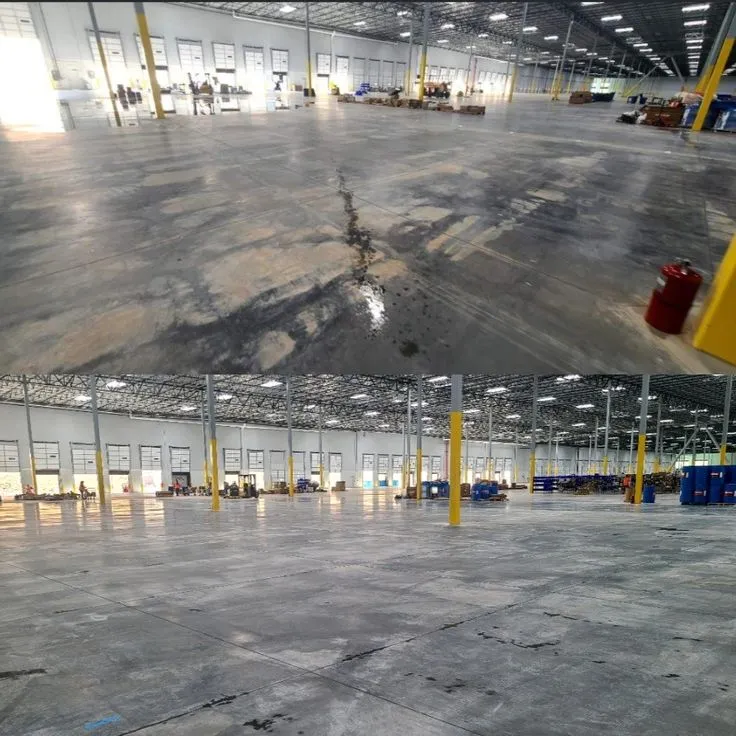
A warehouse can operate for years while small floor defects gradually become part of the daily routine. Drivers steer around a chipped joint, workers avoid a shallow pothole, and maintenance teams sweep loose fragments from busy aisles. These workarounds may seem harmless until equipment begins jolting over the same areas. Arranging appropriate concrete repair starts with identifying why the damage developed, not simply filling a visible gap. Understanding traffic patterns, joint movement and surface conditions helps warehouse managers plan repairs that suit how the building actually operates.
Look at Where Damage Occurs
The location of a defect can offer useful clues. Forklift turning points experience repeated wheel movement, while loading zones may receive concentrated impacts. A broken joint edge can behave differently from a stable surface chip in a quiet storage aisle.
Walk the floor with operators and record the spots they routinely avoid. Their observations can reveal rough transitions and recurring impacts that are easy to miss during a brief office-based inspection.
Separate Cracks From Joint Problems
Not every visible line in concrete needs the same treatment. Control joints are intended to accommodate cracking and movement, while other cracks may reflect shrinkage, loading or changes beneath the slab. Sealing a joint rigidly without understanding its function can create problems.
Ask a competent contractor to assess whether a crack is stable, moving or associated with structural distress. Significant settlement or widening cracks may require engineering advice before cosmetic work is considered.
Consider Equipment Wheels and Loads
Hard forklift wheels can place repeated stress on joint edges and damaged patches. Heavy racking, dropped pallets and dragging equipment may contribute to deterioration in other areas. The coating or repair material must suit the actual service conditions.
Inspect wheel condition as part of equipment maintenance. A floor repair cannot compensate for consistently damaged wheels or unsafe handling practices. Maintenance planning should address both the surface and the equipment travelling across it.
Decide Which Repairs Are Appropriate
Professional concrete repairs may include crack treatment, joint repairs, pothole repairs and correcting local trip hazards. Different repair products have different strengths, movement tolerances and return-to-service requirements.
The correct choice depends on defect depth, surrounding concrete condition and traffic demands. Repeatedly patching a damaged location without investigating the cause may simply postpone the next failure.
Set Priorities With Operations Staff
Not every defect can be addressed simultaneously in a working warehouse. Rank damaged areas according to their effect on safe access and material handling, then coordinate repairs around receiving and dispatch activities.
Useful questions for the site meeting include:
-
Which locations cause equipment to jolt or slow sharply?
-
Are joints deteriorating under repeated wheel traffic?
-
Can vehicles be rerouted during repairs?
-
What preparation and curing time will the repair need?
-
Who checks the area before operations resume?
Involving supervisors and operators makes the repair programme more practical than relying only on an office floor plan.
Prepare the Surface Properly
Damaged material, dust, oil and unsuitable previous repairs can interfere with bonding. Contractors may need mechanical preparation before placing a new repair product. The extent of removal depends on the particular defect and the system being used.
Ask how the team will control dust and keep nearby stock protected. Work involving concrete cutting or grinding needs appropriate controls for respirable crystalline silica, not just ordinary sweeping after the job.
Plan Around Cure and Access
A repaired patch may look complete before it can withstand forklifts or pallet jacks. Manufacturer instructions and site conditions determine the safe return-to-service schedule, and heavy equipment may need longer restrictions than pedestrian access.
Arrange clear temporary routes and communicate them to all shifts. If a key loading area cannot close, consider staged work where technically appropriate instead of allowing vehicles onto uncured material.
Keep Records After the Work
Photographs of the original defect, repair method and completion date make future inspections more informative. If the same area deteriorates again, these records can help a contractor identify recurring loading or movement issues.
Include repaired zones in routine floor inspections. Watch for loose edges, joint deterioration and new cracking and address spills that might affect the repair material. Preventive attention is easier than repeated emergency closures.
Conclusion
Warehouse floor damage deserves a response based on its cause and operational impact, not just its appearance. Inspecting forklift routes, distinguishing joints from cracks and choosing suitable repair methods can help managers reduce recurring disruption. Site teams should also coordinate safe access, preparation and curing before vehicles return. For industrial facilities around Brisbane and the Redlands, epoxyflooringredlands.com.au provides information about joint, crack and pothole repair services. A documented maintenance approach makes floor conditions easier to manage and supports safer, more predictable warehouse operations.