
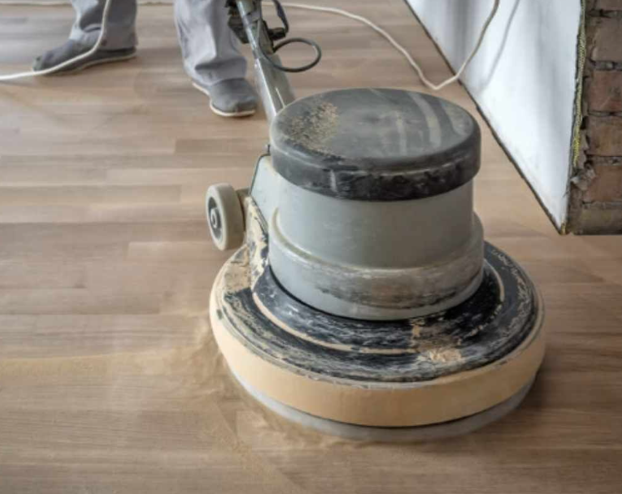
Timing can make a noticeable difference when planning a floor restoration project. Many homeowners focus on choosing the right service but overlook when the work should be done. If you’re considering floor sanding Sutherland Shire, understanding seasonal conditions in Australia can help you achieve better results and a smoother experience.
From drying times to environmental factors, the time of year can influence how effectively your timber floors are sanded and finished.
Why Timing Matters for Floor Sanding
Floor sanding and finishing are affected by temperature and humidity. Timber naturally expands and contracts depending on environmental conditions, which can impact how finishes are applied and how well they cure.
For projects like floor sanding St George NSW, where climate conditions can vary throughout the year, choosing the right season helps ensure a more stable and durable finish.
Spring: One of the Best Times
Spring is often considered one of the best times for floor sanding in Australia. The weather is generally mild, with moderate humidity levels and comfortable temperatures.
Benefits of sanding in spring include:
-
Faster and more consistent drying times
-
Reduced risk of extreme humidity affecting the finish
-
Comfortable conditions for both homeowners and professionals
This makes spring an ideal time for most sanding and finishing projects.
Summer: Fast Drying but Watch the Heat
Summer can also be a good time for floor sanding, particularly because finishes tend to dry quickly in warmer conditions. However, extreme heat can sometimes cause finishes to dry too fast, which may affect the final result if not managed properly.
To make the most of summer:
-
Ensure proper ventilation
-
Avoid sanding during extreme heatwaves
-
Work with professionals who understand how to manage temperature conditions
When handled correctly, summer projects can be completed efficiently.
Autumn: Stable and Reliable Conditions
Autumn offers stable weather conditions, making it another excellent time for floor sanding. Temperatures are cooler than summer, and humidity levels are often balanced.
Advantages of sanding in autumn:
-
Consistent drying conditions
-
Lower risk of extreme weather
-
Comfortable environment for work
For many homeowners, autumn provides a reliable window for achieving high-quality results.
Winter: Slower but Still Possible
Winter is generally less popular for floor sanding, but it doesn’t mean the work can’t be done. Cooler temperatures and higher humidity can slow down drying times, which may extend the overall project timeline.
If sanding is done in winter:
-
Allow extra time for drying and curing
-
Ensure proper indoor ventilation
-
Use suitable finishes designed for cooler conditions
With the right approach, winter sanding can still deliver good results.
Indoor Conditions Matter More Than Outdoor Weather
While seasonal weather is important, indoor conditions play an even bigger role. Temperature control, ventilation, and humidity inside your home can influence how the finish behaves.
Professionals often adjust their approach based on indoor conditions to ensure the best outcome, regardless of the season.
Planning Around Your Schedule
The best time for sanding isn’t just about the weather—it’s also about your availability. Since parts of your home may be unusable during the process, it’s important to choose a time that fits your lifestyle.
Consider:
-
Holidays or time away from home
-
Renovation schedules
-
Periods with minimal household disruption
Planning ahead helps make the process more convenient.
Avoiding Peak Demand Periods
Certain times of the year, such as just before holidays, may be busier for floor sanding services. Booking during these periods can sometimes lead to longer wait times.
Scheduling your project in advance ensures you secure a suitable time and avoid unnecessary delays.
Professional Guidance Makes the Difference
While general seasonal advice is helpful, every home is different. Professional assessment can help determine the best timing based on your specific conditions.
Experienced technicians consider:
-
Timber type
-
Indoor environment
-
Project size and complexity
This ensures the process is tailored for optimal results.
Final Thoughts
The best time to sand timber floors in Australia depends on a combination of seasonal conditions, indoor environment, and personal schedule. Spring and autumn are often ideal, but with the right approach, sanding can be done successfully at any time of year.
If you’re planning to restore your timber floors and want expert advice on timing and execution, Pro Finish Flooring offers professional solutions tailored to your needs. Contact them today to schedule your project at the perfect time.