
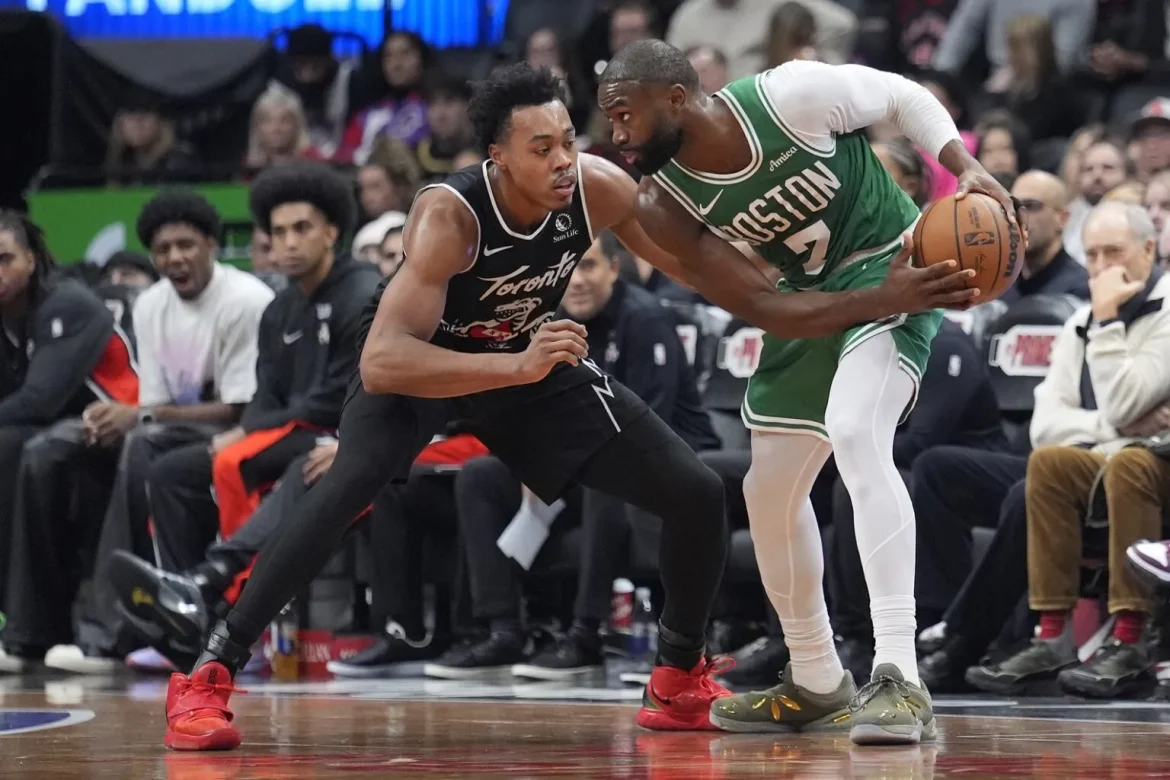
washington wizards vs cleveland cavaliers match player stats highlight a fascinating matchup between two Eastern Conference franchises at completely different stages of their competitive cycles. When Washington and Cleveland meet on the hardwood, the statistical performances reveal the gap between championship-contending teams and those in developmental phases, while individual players on both sides deliver moments of brilliance.
Having followed both organizations through their various transformations over the past several years, I’ve watched Cleveland evolve from LeBron’s departure into a legitimate title threat, while Washington navigates the challenging waters of rebuilding around young talent. The individual performances in these matchups tell compelling stories about NBA competition levels and player development trajectories.
Recent Showdown: Statistical Dominance on Display
The latest encounter between Washington and Cleveland delivered exactly what fans expected given the teams’ current standings. Cleveland entered as heavy favorites and played like it, with their statistical output across all categories reflecting a more cohesive and talented roster.
Donovan Mitchell led Cleveland’s offensive assault with 32 points, 6 assists, and 5 rebounds while shooting an efficient 56% from the field. Mitchell’s scoring ability from all three levels makes him virtually impossible to contain, and his performance demonstrated why Cleveland views him as a cornerstone franchise player capable of leading deep playoff runs.
Darius Garland complemented Mitchell’s scoring with a playmaking clinic, posting 18 points and 12 assists while orchestrating Cleveland’s offense with precision. Garland’s court vision and ability to deliver passes into tight windows create easy baskets for teammates, visible in Cleveland’s 29 team assists on 42 field goals.
Evan Mobley showcased his defensive versatility and developing offensive game with 16 points, 11 rebounds, and 4 blocks. Mobley’s length and mobility allow him to guard multiple positions while protecting the rim, making him Cleveland’s defensive anchor despite his youth.
Washington’s Young Core Shows Fighting Spirit
The Wizards battled despite facing superior talent, with their young players delivering performances that offered hope for the franchise’s future. Jordan Poole led Washington with 28 points including six three-pointers that kept the game competitive through three quarters. Poole’s confidence and shot-making ability give Washington a go-to scorer even when defensive attention intensifies.
Kyle Kuzma contributed 22 points, 8 rebounds, and 5 assists in another versatile performance. Kuzma’s ability to score from multiple positions and facilitate for others makes him Washington’s most complete player, though his efforts alone can’t overcome talent disparities against elite teams.
Tyus Jones provided steady point guard play with 11 points and 8 assists while committing just one turnover. Jones’ ball security and decision-making keep Washington’s offense organized, even when individual talent doesn’t match opponents.
The All-Star Talent Gap: Mitchell vs Poole
The washington wizards vs cleveland cavaliers match player stats reveal the difference between All-Star caliber players and those still developing toward that level. Mitchell’s 32 points came on just 20 shot attempts, demonstrating remarkable efficiency that Poole’s 28 points on 24 attempts couldn’t match.
Mitchell’s ability to draw fouls resulted in 9 free throw attempts compared to Poole’s 4, showcasing superior attacking skills and referees’ respect for established stars. These seemingly small statistical advantages accumulate into decisive scoring gaps over complete games.
The plus-minus statistics told the story clearly, with Mitchell posting a plus-18 rating while Poole finished at minus-14. These numbers quantify each player’s impact beyond personal statistics, reflecting how their teams performed with them on the court.
Frontcourt Battle: Mobley’s Defensive Mastery
Evan Mobley’s defensive impact extended far beyond his 4 blocked shots. His presence altered an estimated 8 additional Washington shot attempts, forcing difficult finishes around the rim. Mobley’s timing and length create defensive problems that few young big men can replicate.
Jarrett Allen provided complementary rim protection with 14 points, 13 rebounds, and 2 blocks of his own. The Allen-Mobley frontcourt pairing gives Cleveland elite defensive versatility, allowing them to switch pick-and-rolls and protect the paint simultaneously.
Washington countered with Daniel Gafford’s athleticism, as he posted 12 points and 9 rebounds with 2 blocks. However, Gafford’s limited offensive repertoire restricts his minutes and overall impact compared to Cleveland’s more developed big men.
Three-Point Shooting: Volume and Accuracy
Perimeter shooting often determines modern NBA outcomes, and this matchup reinforced that reality. Cleveland attempted 38 three-pointers and connected on 42%, demonstrating both volume and efficiency. Mitchell’s 4 makes and Garland’s 3 triples paced their outside shooting.
Washington launched 35 three-point attempts while converting just 31%, reflecting their developmental stage. Poole’s 6 makes kept them competitive, but role players combined to shoot just 5-for-18 from deep, highlighting the supporting cast gap between these rosters.
The three-point differential of plus-15 for Cleveland translated directly to their comfortable victory margin, demonstrating how perimeter shooting creates mathematical advantages that overcome deficiencies in other areas.
Bench Production: Depth Wins Championships
Second-unit performance separates contenders from pretenders. Cleveland’s reserves outscored Washington’s bench 42-28, with Caris LeVert contributing 16 points and Georges Niang adding 11. This depth allows Cleveland to maintain offensive efficiency even when starters rest.
LeVert’s veteran scoring ability provides instant offense off the bench, creating mismatches against opponent reserves. His 6-for-10 shooting demonstrated efficiency that Washington’s bench couldn’t replicate.
Washington’s bench featured Corey Kispert’s 12 points as their primary reserve contribution. However, the overall second-unit struggled defensively and couldn’t maintain pace when Cleveland’s starters sat, allowing the Cavaliers to extend their lead during these minutes.
Assist Totals: Ball Movement Excellence
Unselfish basketball creates better shots and higher efficiency. The washington wizards vs cleveland cavaliers match player stats show Cleveland recording 29 assists on 42 field goals, demonstrating exceptional ball movement. Garland’s 12 assists paced their distribution, but six different Cavaliers recorded multiple dimes.
Washington managed 22 assists on 38 made field goals, with Jones’ 8 helpers leading their playmaking. The assist differential reflected Cleveland’s superior offensive structure and player movement that creates open looks rather than forcing contested shots.
The assist-to-turnover ratio heavily favored Cleveland at 29-to-11 compared to Washington’s 22-to-17, highlighting the Cavaliers’ veteran composure and execution against Washington’s still-developing offensive cohesion.
Turnover Battle: Experience Shows
Ball security becomes crucial against teams that convert mistakes into points. Cleveland’s 11 turnovers reflected disciplined execution and veteran decision-making, while Washington’s 17 giveaways showed the carelessness that plagues young teams.
Garland committed just 1 turnover against his 12 assists, demonstrating exceptional ball control for a player handling primary playmaking duties. His ability to protect possessions while creating for others makes Cleveland’s offense flow smoothly.
Cleveland capitalized ruthlessly on Washington’s turnovers, scoring 24 points off giveaways compared to Washington’s 13 points off Cleveland’s mistakes. This 11-point differential in turnover-generated offense significantly contributed to Cleveland’s victory margin.
Defensive Ratings: Elite vs Developing
Cleveland’s defensive efficiency held Washington to 43% shooting from the field, reflecting their scheme and individual defenders. Mobley’s rim protection, combined with perimeter pressure from Mitchell and Isaac Okoro, created a defensive system that Washington struggled to penetrate.
Washington allowed Cleveland to shoot 51% from the field, demonstrating defensive deficiencies that talent alone can’t overcome. Their inability to consistently rotate and contest shots resulted in easy Cleveland baskets throughout the game.
The defensive rebounding battle saw Cleveland grab 35 defensive boards compared to Washington’s 28, limiting second-chance opportunities and ending possessions definitively. This rebounding advantage prevented Washington from generating the extra possessions needed to overcome their efficiency gap.
Free Throw Disparity: Getting to the Line
Drawing fouls and converting free throws creates efficient offense. Cleveland attempted 26 free throws and made 22 for 84.6% accuracy, demonstrating their ability to attack the rim and earn trips to the charity stripe.
Washington attempted just 18 free throws, converting 14 for 77.8% accuracy. Their inability to match Cleveland’s free throw attempts left 8 potential points unclaimed, a significant gap in a game where every possession matters.
Mitchell’s 9 free throw attempts led all players, showcasing his ability to draw contact while finishing through fouls. This skill separates elite scorers from merely good ones, creating additional scoring opportunities beyond jump shots.
Fast Break Points: Transition Dominance
Pace and transition scoring create different offensive environments than halfcourt sets. Cleveland scored 18 fast-break points by running relentlessly after defensive rebounds and turnovers, with Garland’s speed and Mitchell’s finishing ability triggering these opportunities.
Washington managed 12 transition points despite their effort to push pace. Their inability to convert defensive stops into fast-break points limited their most efficient scoring opportunities against Cleveland’s set defense.
The 6-point advantage Cleveland gained in transition reflected superior athleticism and decision-making in open-court situations, creating easy baskets that bypassed Washington’s halfcourt defensive structure.
Paint Scoring: Interior Control
Despite the three-point era, paint scoring remains essential. Cleveland scored 52 points in the paint compared to Washington’s 42, leveraging Mobley’s efficiency and Allen’s finishing around the rim. Their ability to mix inside-outside attacks creates offensive unpredictability.
Allen’s 7-for-9 shooting showcased his finishing efficiency on lobs and putbacks. His vertical spacing creates passing angles that Washington’s defenders struggled to account for while also defending perimeter threats.
Gafford provided Washington’s interior scoring with 6-for-8 shooting on dunks and close-range attempts. However, his limited touches and offensive repertoire prevented him from matching Cleveland’s frontcourt production.
Fourth Quarter Execution: Closing Games
Championship teams win final periods, and the washington wizards vs cleveland cavaliers match player stats reveal Cleveland’s closing ability. Mitchell scored 11 of his 32 points in the fourth quarter, including crucial baskets when Washington threatened to cut the deficit to single digits.
Garland’s three fourth-quarter assists created 8 points for teammates, demonstrating his ability to balance personal scoring with playmaking responsibilities. His decision-making in late-game situations reflects veteran poise beyond his years.
Poole answered with 9 fourth-quarter points for Washington, refusing to concede defeat. His competitive fire gives Washington chances even when facing superior opponents, though Cleveland’s depth ultimately overwhelmed Washington’s efforts.
Individual Defensive Matchups
Strategic defensive assignments impact statistical outcomes. Cleveland tasked Okoro with limiting Poole’s offensive freedom, using his strength and lateral quickness to contest shots and fight through screens. This assignment held Poole to 28 points on 24 attempts, solid production but below his efficiency standards.
Mobley drew the assignment of switching onto perimeter players while protecting the rim, demonstrating his unique defensive versatility. His ability to guard guards on the perimeter then recover to block shots at the rim creates defensive advantages few players provide.
Washington struggled to find effective defensive matchups, with Kuzma unable to contain Mitchell’s quickness and Jones overmatched by Garland’s creativity. These individual defensive disadvantages accumulated into team-wide defensive struggles.
Rebounding Dominance: Total Control
Controlling the glass creates possessions and limits opponents. Cleveland outrebounded Washington 49-39, with their frontcourt combining for 28 boards. This advantage generated 13 second-chance points while limiting Washington to 7.
Mobley’s 11 rebounds led Cleveland’s effort, using his length and positioning to secure boards in traffic. His defensive rebounding triggers Cleveland’s transition offense, creating immediate offensive opportunities.
Allen added 13 rebounds of his own, giving Cleveland consistent second-chance opportunities and preventing Washington from generating momentum through offensive rebounds. Their combined glass-cleaning creates extra possessions that talent advantages convert into points.
Advanced Metrics: Statistical Deep Dive
Player efficiency rating reveals overall statistical impact. Mitchell’s PER of 28.4 in this game ranked among his season’s best performances, reflecting dominant scoring, playmaking, and efficiency. His true shooting percentage of 64% demonstrated remarkable shot selection and conversion.
Garland’s assist percentage of 48% showed he directly created or assisted on nearly half of Cleveland’s baskets while on the court. This playmaking impact extends beyond his personal scoring, making him invaluable to Cleveland’s offensive success.
Mobley’s defensive rating improvement when on court quantifies his rim protection value. Cleveland allowed 12 fewer points per 100 possessions with him playing, demonstrating his transformative defensive impact.
Coaching Strategies and Adjustments
J.B. Bickerstaff guides Cleveland with defensive-first principles visible in their scheme and rotations. His willingness to play Mobley and Allen together creates defensive versatility while sacrificing some floor spacing, a tradeoff Cleveland gladly accepts.
Wes Unseld Jr. coaches Washington with developmental priorities, playing young players through mistakes rather than benching them for errors. This patient approach builds long-term habits but accepts short-term losses against superior competition.
The Championship Timeline Gap
Cleveland operates in championship contention mode, leveraging their core while the competitive window remains open. Their urgency creates preparation intensity and execution standards that developmental teams struggle matching.
Washington embraces patient rebuilding, prioritizing young player development over immediate wins. This approach requires accepting difficult losses while building foundations for future sustained success through experience and growth.
Understanding the washington wizards vs cleveland cavaliers match player stats provides basketball enthusiasts with appreciation for both individual excellence and competitive timeline realities. These statistical narratives shape our comprehension of NBA talent levels, team-building philosophies, and the gap between contenders and developing franchises. Whether you’re a dedicated fan of either team or simply enjoy quality basketball analysis, examining these numbers reveals the sport’s competitive hierarchy and the elite athletes who define it at the highest level.
Read also :-