
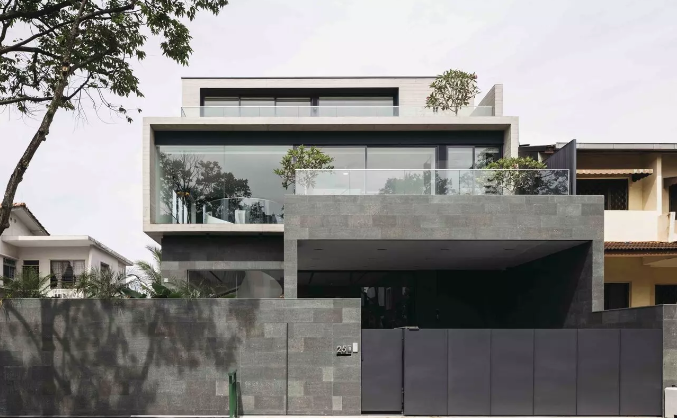
If buildings could talk, the ones in Singapore would proudly say, “We recycle more than your office pantry.” The city has become a living blueprint for sustainable design — and it didn’t happen by accident. It happened because architecture firms in Singapore are quietly rewriting the playbook for how cities can grow without leaving a carbon footprint the size of Sentosa.
The question now isn’t whether green architecture matters. It’s how far it can go — and whether the rest of Asia can keep up.
Why Green Isn’t Just a Trend — It’s an Expectation
Sustainability used to be a nice-to-have. Today, it’s a baseline. Clients are more conscious, regulations are tighter, and energy bills aren’t getting any friendlier. The built environment now accounts for nearly 40% of global carbon emissions — and Singapore took that number personally.
The Policy Push: Strong Foundations for Change
Government support didn’t just help green architecture — it turbocharged it. With the Green Mark certification, BCA incentives, and URA design guidelines, sustainability became more than a marketing claim. It became mandatory thinking.
That’s why architecture firms in Singapore are now expected to design smarter by default — better airflow, efficient cooling, solar integration, recycled materials, better daylight distribution, water harvesting… even roofs are pulling their weight with gardens and photovoltaic panels.
From Compliance to Innovation
What makes Singapore different is that firms don’t stop at compliance. They experiment. They integrate tech. They ask tougher questions:
- Can this wall cool the interior?
- Can this design reduce elevator usage?
- Can residents grow vegetables on their balconies?
Suddenly, sustainability isn’t just about “less harm.” It’s about “more value.”
Nature Has a Seat at the Table — Biophilic Design Takes Over
Greenery in buildings isn’t new. But in Singapore, it’s not an aesthetic trend — it’s almost an architectural responsibility.
Why Nature Improves More Than Mood
Biophilic design does more than soften concrete. It improves thermal comfort, boosts ventilation, filters pollutants, and psychologically improves productivity and well-being. It’s design and wellness working together — not as a luxury, but as a standard.
That’s why leading architecture firms in Singapore are integrating nature as a building component — not a decorative afterthought. Think vertical forests, cross-ventilated atriums, wildlife corridors and plant-covered facades that actually regulate temperature.
Not Just Pretty — It’s Practical
The beauty of biophilic architecture? It solves real-world problems:
- Lowers cooling costs
- Reduces heat island effect
- Filters air
- Supports biodiversity
- Encourages social spaces
In a city where space is limited and temperatures climb year-round, nature isn’t just a nice view — it’s strategy.
Tech + Sustainability = The New Design Language
Buildings used to rely on concrete and steel. Today, they rely on data.
Smart Buildings Are the New Normal
Sensors that track occupancy. AI-assisted cooling systems. Sun-responsive facades. Energy dashboards that show exactly when a building gets “hungry.” These aren’t theories — they’re happening right now across commercial developments and residential projects.
The smartest architecture firms in Singapore use tech not just to design better but to think better. They analyse how people move, how energy flows, how wind enters — then optimise every square metre. A building becomes a living system, not just a static structure.
Materials Get an Upgrade
Sustainability used to mean using recycled timber and LED lights. Now? It includes innovations like:
- Carbon-capturing concrete
- Phase-changing materials that adapt to temperature
- Modular components to minimise construction waste
- Prefabricated elements for faster, cleaner builds
The message is clear: sustainability is no longer design-friendly. It’s design-essential.
The People Factor — How Green Design Changes Daily Life
The real success of sustainability isn’t found in certifications. It’s found in the way people feel inside the space.
Wellness-Driven Architecture Becomes Standard
Natural airflow over air-conditioning where possible. Sunlight before artificial lighting. Quiet shared zones for hybrid work. Acoustic comfort in dense environments. Architects are designing for mental health as much as physical comfort — because climate change is also an emotional challenge.
Here’s the twist: clients are starting to ask for it. Which means architects can now lead conversations instead of trying to justify decisions.
Community & Sustainability Go Hand-in-Hand
When buildings use less energy, harness natural light and encourage shared spaces, something happens — people connect. Social pockets replace empty corridors. Community gardens become teaching tools. Playgrounds become nature labs.
Some architecture firms in Singapore now treat sustainability as a social catalyst. Not just for the planet — but for the people living on it.
Where the Future Is Heading
Singapore has become a testing ground for greener cities. What’s happening here may shape how urban Asia builds for years to come. The shift isn’t just structural — it’s cultural.
- Energy isn’t just consumed — it’s managed.
- Nature isn’t separate — it’s integrated.
- Buildings aren’t static — they adapt.
And the architects leading this change? They’re proving that limits are often self-imposed. With the right mindset, technology and collaboration, density and sustainability can live in the same postcode.
Final Thought: Green Is the New Standard, Not the Premium
Singapore didn’t wait for sustainability to become urgent. It treated it like strategy from day one — and that’s why its architecture is admired worldwide. As demand grows, architecture firms across Singapore are now stepping into a bigger role: not just designing buildings, but shaping behaviour, cities and mindsets.
Because ultimately, the greenest city will be the one where sustainability doesn’t need a label.
It just is.