
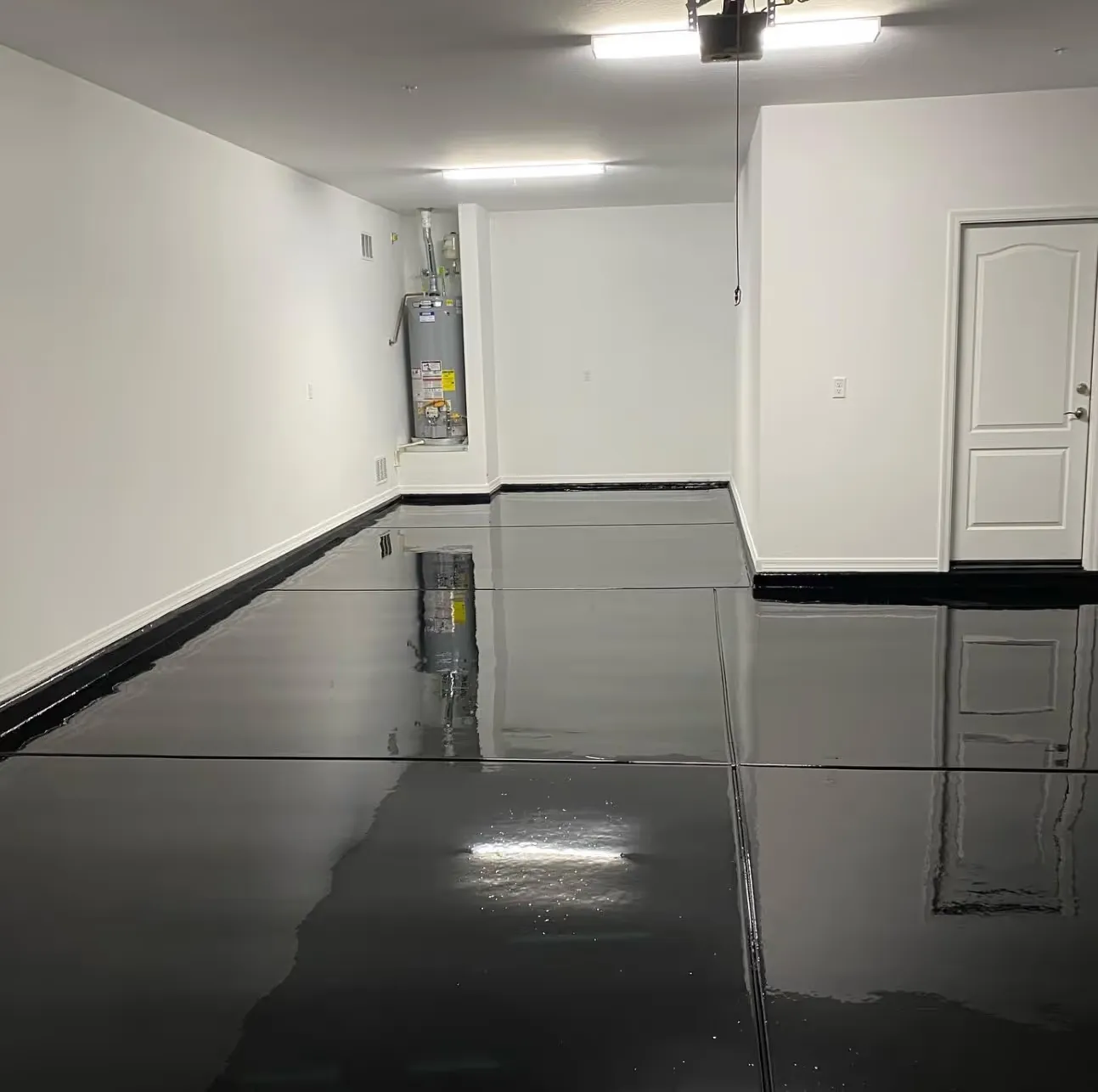
Sun exposure and high outdoor temperatures in Arizona quickly ruin plain concrete floors inside residential garages. Investing in high-quality Phoenix epoxy flooring materials protects your foundation slabs against hot tire pickup and chemical spills. Unprotected concrete absorbs leaked transmission fluids, leading to deep structural stains that prove impossible to remove later. You should always sweep away loose gravel and scrub grease spots clean before applying liquid base coats. Testing subfloor moisture levels beforehand stops annoying air bubbles from ruining your fresh floor topcoat.
Finding Regional Installation Specialists
Hiring experienced contractors near your neighborhood keeps floor renovation timelines running smoothly without long travel delays. Booking a skilled garage flooring Phoenix specialist gives you direct access to technical advice tailored for local desert conditions. Professional installers bring heavy diamond grinding equipment to clean bare concrete slabs before laying down liquid resin. Asking your contractor for recent project photos helps verify their craftsmanship before signing any binding service contract. Getting a detailed written cost estimate prevents unexpected financial surprises when your garage coating work wraps up.
Preparing Concrete Slabs Well
Thorough mechanical floor preparation determines whether your new protective coating stays stuck or peels off under hot tires. Workers must grind down rough concrete slabs or scrub away deep oil stains using strong degreasing chemicals first. Applying durable Phoenix epoxy flooring products over properly etched concrete ensures maximum adhesion across your entire floor space. Filling wide floor cracks with dense patch putty stops liquid base coats from draining away into subfloor gaps. Skipping essential surface grinding steps almost always leads to early peeling near busy garage doors.
Handling Rapid Cure Speeds
Warm desert air accelerates chemical reaction speeds, giving applicators less time to spread liquid resin evenly across floors. Partnering with a knowledgeable garage flooring Phoenix crew ensures your project uses floor formulas engineered for higher temperatures. Installers frequently pour mixed liquid resin out into flat roller trays immediately to stop heat buildup inside deep buckets. Spreading mixed formulas quickly allows workers to back roll smoothly without worrying about rapid bucket hardening. Keeping extra roller covers nearby guarantees steady progress if liquid materials begin thickening faster than planned.
Scattering Decorative Flake Mixtures
Broadcasting colorful vinyl flakes across wet base coats adds useful foot traction while hiding minor concrete slab flaws. Applicators throw plastic color chips high toward the ceiling so they drop evenly across wet liquid resin below. Purchasing a full Phoenix epoxy flooring kit gives you choices among custom color flake blends for your layout. Applying a clear protective topcoat locks down scattered chips against heavy vehicle tires and daily foot traffic easily. Sweeping up loose excess chips after floor curing leaves a clean, uniform surface ready for use.
Maintaining Heavy Duty Slabs
Maintaining sealed concrete garage floors requires basic cleaning routines using mild liquid soap mixed with warm clean water. Non-porous floor coatings prevent spilled motor oil, grease, or road dirt from soaking deep into porous concrete over time. Choosing commercial-grade garage flooring Phoenix systems builds long-lasting protection against daily vehicle traffic and heavy tool drops. Using soft rubber squeegees removes excess wash water rapidly, preventing unsightly water spots from drying across glossy topcoat finishes. Inspecting high-traffic floor areas annually helps catch minor surface wear before bare concrete becomes exposed.
Selecting Appropriate Application Equipment
Using correct application equipment prevents visible lap lines and uneven coating thickness across large indoor concrete floor spans. Heavy notched squeegees push liquid resin evenly across slabs before workers back roll using solvent-resistant roller covers on extensions. Purchasing commercial-grade materials for your Phoenix epoxy flooring project stops loose roller fibers from sticking in wet resin. Wearing spiked shoes allows applicators to walk across tacky surfaces to scatter decorative color flakes without ruining smooth layers. Washing tools with proper solvent right after finishing saves money on future concrete projects.
Conclusion
Upgrading plain concrete floors with protective resin coatings enhances overall durability while protecting underlying structural slabs from daily wear. Visiting dialedinepoxy.com gives you access to practical guidance regarding surface preparation techniques and professional floor coating options. Taking time to properly clean concrete surfaces ensures long-lasting adhesion for various commercial and residential floor applications. Choosing reliable application tools keeps maintenance minimal while keeping your working environments clean, safe, and organized for years. Please reach out to our team today if you require assistance choosing appropriate coating materials.