
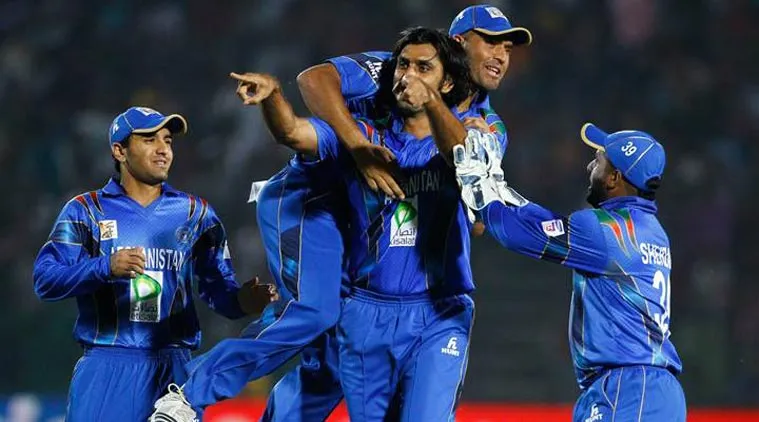
Emerging associate nations are rewriting the story of cricket. Once considered outsiders, these countries are now stepping into the spotlight, proving that passion and determination can rival tradition and resources. Their journey is not just about winning matches—it’s about inspiring millions, building identity, and reshaping the global cricketing landscape.
From thrilling upsets in World Cups to grassroots movements that ignite local communities, the rise of emerging associate nations is one of the most exciting chapters in modern cricket. Their stories are filled with grit, resilience, and dreams that go far beyond the boundary ropes.
Emerging Associate Nations: The Spark of Global Cricket
The term emerging associate nations refers to countries recognized by the International Cricket Council (ICC) as associate members, meaning they are not full Test-playing nations but actively compete in international cricket. For decades, these teams were seen as underdogs. Today, they are proving that underdogs can bite back.
Take Afghanistan, for example. Their meteoric rise from refugee camps to competing against giants like India and Australia is nothing short of extraordinary. Similarly, Ireland’s victory over Pakistan in the 2007 World Cup remains one of the most iconic moments in cricket history, showing the world that associate nations can topple giants.
Why Emerging Associate Nations Matter
The importance of emerging associate nations goes beyond the scoreboard. They represent the globalization of cricket, bringing diversity and fresh energy to the sport.
For fans, these nations bring unpredictability. Matches involving them often carry a sense of drama, as they challenge established powers with fearless cricket. For players, representing an associate nation is about pride and proving that talent knows no boundaries.
Stories That Define Emerging Associate Nations
Every associate nation has a unique story. Nepal, for instance, has become a cricketing sensation in Asia. With packed stadiums and passionate fans, the country has shown that cricket can thrive even without massive infrastructure.
Namibia’s spirited performances in T20 World Cups have earned them respect worldwide. Their players, many of whom juggle cricket with full-time jobs, embody the true spirit of the game.
The UAE, with its multicultural team, reflects how cricket can unite people from different backgrounds. These stories highlight why the rise of emerging associate nations is so captivating.
Challenges Faced by Emerging Associate Nations
Despite their progress, emerging associate nations face significant hurdles. Funding is limited, infrastructure is often inadequate, and opportunities to play against top teams are scarce.
Many players struggle with balancing careers outside cricket, as professional contracts are rare. Yet, these challenges fuel their determination. The lack of resources makes every victory sweeter, every milestone more meaningful.
Emerging Associate Nations in Global Tournaments
World Cups and ICC events have been the biggest stage for emerging associate nations to showcase their talent. Kenya’s run to the semi-finals in the 2003 World Cup remains legendary. Scotland’s victories over full members in recent years have further strengthened the case for more opportunities.
These performances prove that associate nations are not just fillers in tournaments—they are genuine competitors capable of changing the course of matches.
The Role of Fans in Emerging Associate Nations
Fans play a crucial role in the rise of emerging associate nations. In countries like Nepal, cricket is more than a sport—it’s a movement. Stadiums overflow with supporters, creating an atmosphere that rivals any Test-playing nation.
This passion drives players to push harder, knowing they carry the hopes of millions. It also sends a message to the cricketing world: associate nations deserve recognition and respect.
Emerging Associate Nations and the Future of Cricket
The future of cricket depends on how well the sport embraces emerging associate nations. Expanding opportunities, increasing bilateral series, and investing in infrastructure can transform these teams into consistent challengers.
The ICC has begun initiatives to support them, but more needs to be done. If cricket truly wants to be a global sport, associate nations must be given the platform to shine.
The Emotional Side of Emerging Associate Nations
Behind every victory of emerging associate nations lies an emotional story. Players often come from humble backgrounds, driven by sheer love for the game. Their journeys inspire young cricketers worldwide, proving that dreams are achievable regardless of origin.
When Namibia defeated higher-ranked teams in T20 World Cups, it wasn’t just a win—it was a statement of belief. These moments remind us why cricket is called the gentleman’s game, filled with stories of courage and hope.
Emerging Associate Nations in T20 Leagues
T20 leagues around the world have opened doors for players from emerging associate nations. Participation in leagues like the IPL, CPL, and BBL gives them exposure, financial stability, and the chance to learn from the best.
Players like Rashid Khan from Afghanistan have become global superstars, showing that associate nations can produce talent capable of dominating world cricket.
The Global Impact of Emerging Associate Nations
The rise of emerging associate nations is not just about cricket—it’s about cultural identity and national pride. For countries where cricket was once a minor sport, victories on the international stage bring unity and recognition.
These nations are proving that cricket is no longer confined to traditional strongholds. It is becoming a truly global game, enriched by diversity and passion.
Read aslo:-
zimbabwe national cricket team vs new zealand national cricket team match scorecard
zimbabwe national cricket team vs afghanistan national cricket team match scorecard
pakistan national cricket team vs south africa national cricket team
ireland cricket team vs zimbabwe national cricket team timeline
sri lanka national cricket team vs new zealand national cricket team match scorecard