
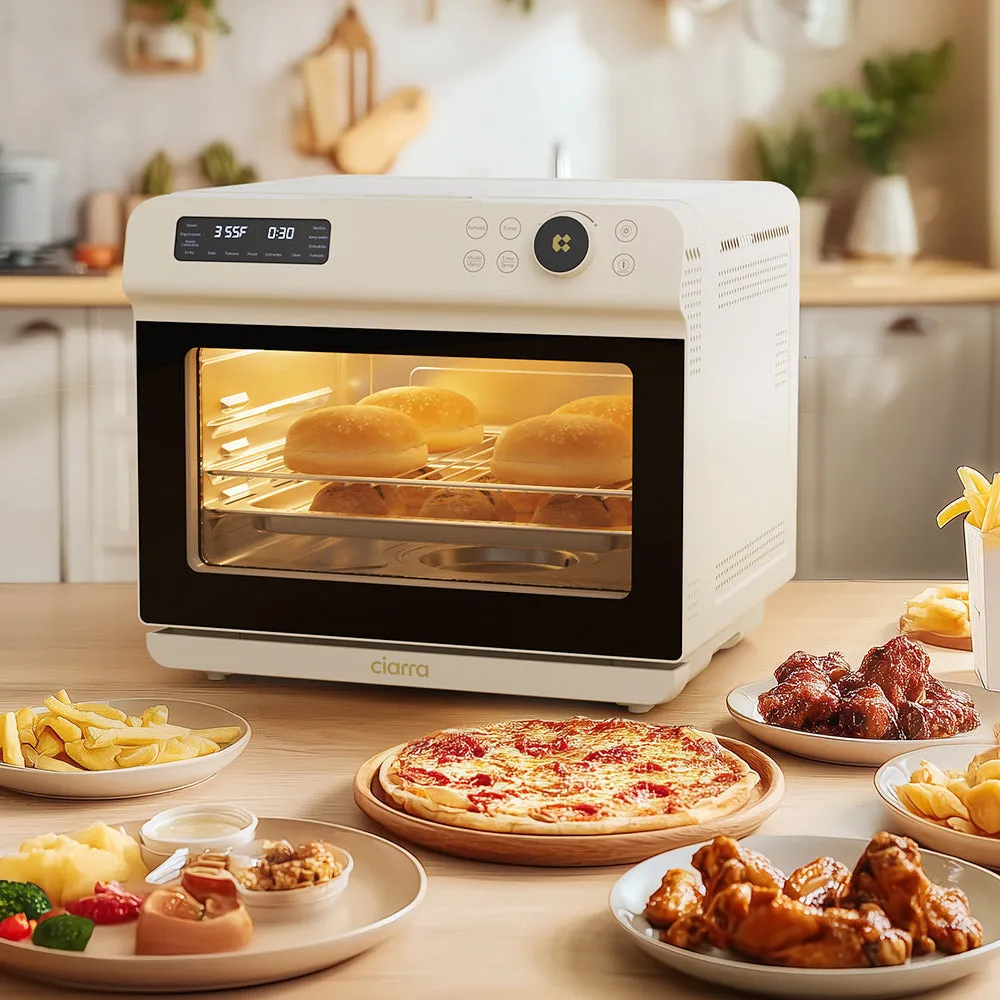
A conventional oven is one of the most widely used kitchen appliances in homes around the world. It operates using heating elements at the top and bottom, providing steady, direct heat for cooking, baking, roasting, and grilling. Unlike convection ovens, which use fans to circulate hot air, a conventional oven relies on natural heat distribution. This makes it ideal for traditional cooking methods and recipes that require gentle, even heat.
Whether you are baking cakes, roasting chicken, or preparing casseroles, a conventional oven remains a dependable choice for consistent results. Despite modern innovations in kitchen technology, many households still prefer this classic appliance for its simplicity and reliability.
How a Conventional Oven Works
A conventional oven functions using two main heating elements: one located at the top and another at the bottom. When turned on, these elements heat up and warm the air inside the oven cavity. The heat rises naturally, creating different temperature zones inside the oven.
The bottom element is usually responsible for most of the cooking, especially in baking, while the top element helps with browning and finishing dishes. Because the heat is not circulated by a fan, food may cook slightly unevenly if not positioned properly. However, with a bit of experience, users can easily master heat placement and timing.
Key Features of a Conventional Oven
A conventional oven comes with several features that make it a valuable addition to any kitchen:
1. Simple Controls
Most conventional ovens have straightforward knobs or digital settings, making them easy to operate even for beginners.
2. Even Baking for Traditional Recipes
They are especially good for recipes that have been developed for non-fan ovens, such as cakes, cookies, and breads.
3. Multiple Cooking Modes
Many modern versions include grilling, baking, and roasting options.
4. Large Cooking Capacity
Conventional ovens are available in various sizes, making them suitable for both small families and large households.
5. Energy Efficiency
Because they do not rely on fans or additional systems, they often consume less energy in basic cooking tasks.
Advantages of Using a Conventional Oven
One of the main reasons people continue to use a conventional oven is its reliability. It has been a kitchen staple for decades, and its benefits remain relevant today.
Consistent Cooking Results
With proper temperature control, conventional ovens provide predictable cooking outcomes, especially for baked goods.
Affordable and Accessible
Compared to advanced oven types, conventional ovens are usually more affordable and widely available.
Easy Maintenance
With fewer mechanical parts, maintenance is simple and repairs are often less expensive.
Ideal for Traditional Cooking
Many classic recipes are designed specifically for conventional heating, making it the preferred choice for traditional cooks and bakers.
Limitations of a Conventional Oven
While highly useful, a conventional oven does have some limitations.
Uneven Heat Distribution
Since heat is not circulated, some areas may cook faster than others.
Longer Cooking Times
Compared to convection ovens, cooking may take slightly longer.
Requires Monitoring
Users may need to rotate trays or adjust positioning for best results.
Despite these drawbacks, many people still prefer it due to its simplicity and dependable performance.
Conventional Oven vs Convection Oven
Understanding the difference between these two types of ovens can help you make a better kitchen choice.
A convection oven uses a built-in fan to circulate hot air, resulting in faster and more even cooking. On the other hand, a conventional oven uses static heat, which is ideal for slow, controlled baking.
If you frequently bake pastries or delicate dishes, a conventional oven may be better. However, for faster cooking and multitasking, convection ovens can be more efficient.
Best Uses of a Conventional Oven
A conventional oven is versatile and suitable for a wide range of cooking tasks:
-
Baking cakes, muffins, and cookies
-
Roasting meats and vegetables
-
Preparing casseroles and lasagna
-
Toasting and broiling
-
Slow cooking dishes that require stable heat
Because of its steady heat pattern, it is particularly good for recipes that require a golden crust or soft interior texture.
Tips for Using a Conventional Oven Efficiently
To get the best results, consider the following tips:
1. Preheat Properly
Always preheat your oven before placing food inside to ensure even cooking.
2. Use the Right Rack Position
Middle racks are ideal for most baking tasks, while top racks are better for browning.
3. Rotate Food if Needed
To avoid uneven cooking, rotate trays halfway through the process.
4. Avoid Overcrowding
Proper air space inside the oven helps maintain consistent heat distribution.
5. Monitor Cooking Time
Since heat distribution is static, checking food regularly can prevent overcooking.
Kitchen Ventilation and Oven Usage
When using any oven, proper kitchen ventilation is important to maintain air quality and reduce heat buildup. In modern kitchens, many homeowners use tools like a portable range hood. This helps remove smoke, grease, and odors efficiently, especially in small or enclosed kitchen spaces. It also improves comfort while cooking with a conventional oven for long periods.
Maintenance and Care Tips
Taking care of your oven ensures long-lasting performance:
Regular Cleaning
Clean spills immediately after the oven cools down to avoid stubborn stains.
Check Heating Elements
Inspect the top and bottom heating elements for damage or uneven heating.
Door Seal Inspection
A tight seal ensures heat retention and better cooking efficiency.
Avoid Harsh Chemicals
Use mild cleaners to protect the interior surface.
Proper maintenance not only improves performance but also extends the lifespan of your oven.
Buying Guide for a Conventional Oven
If you are planning to purchase a conventional oven, consider the following factors:
Size and Capacity
Choose based on your family size and cooking needs.
Energy Efficiency
Look for models that consume less electricity.
Build Quality
Stainless steel ovens are durable and long-lasting.
Temperature Control
Precise temperature settings ensure better cooking results.
Additional Features
Some ovens come with timers, grill functions, and multiple rack positions.
Why Conventional Ovens Are Still Popular
Even with modern kitchen appliances becoming more advanced, the conventional oven remains a favorite for many households. Its simplicity, affordability, and reliability make it a trusted choice. Many professional bakers also prefer it for certain recipes because of its predictable heat behavior.
It is also a great option for those who enjoy traditional cooking methods and want more control over their baking and roasting processes.
Conclusion
A conventional oven continues to be one of the most essential kitchen appliances, offering reliable performance for a wide range of cooking tasks. While it may not have the advanced features of modern convection systems, its simplicity and effectiveness make it a valuable tool in both home and professional kitchens.
From baking cakes to roasting meals, it delivers consistent results when used correctly. With proper care, maintenance, and smart usage techniques, a conventional oven can serve as a long-lasting and dependable cooking companion for years.