
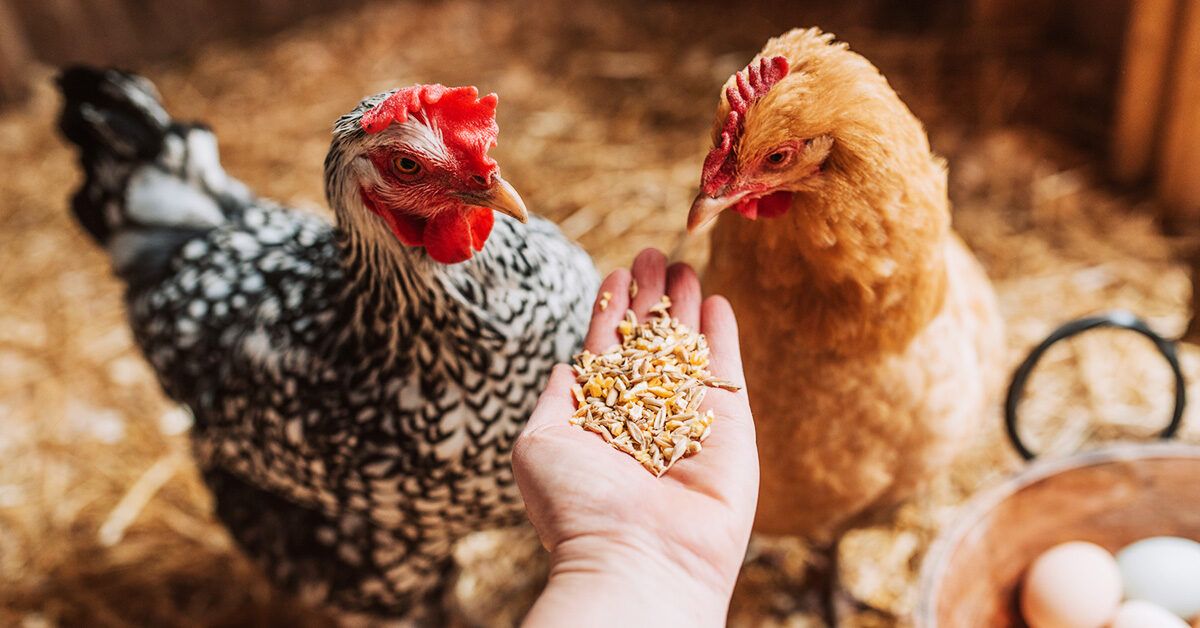
A small flock of backyard chickens is one of the most popular first steps for households moving toward growing more of their own food. They take up relatively little space, require less specialized care than most livestock, and reward you daily with fresh eggs that taste noticeably better than anything from a grocery shelf.
Chickens are also more forgiving than many beginners expect. Given a secure coop, consistent feed, and clean water, most backyard flocks thrive with only a few minutes of daily attention.
This guide covers what a first-time keeper actually needs to know, from picking the right breed to setting up a coop that keeps your birds safe and productive.
How Many Chickens Should You Start With
Chickens are social animals and should never be kept alone. Most new keepers do best starting with three to six hens, which provides enough companionship for the birds and a steady, manageable supply of eggs for a small household.
Check your local zoning rules before buying birds. Many suburban areas allow a small number of hens but restrict or outright ban roosters, since roosters crow at all hours and are the most common source of neighbor complaints.
Choosing the Right Breed
Breed matters more than most beginners realize, particularly around temperament, cold or heat tolerance, and how many eggs a hen actually lays per year.
Good Beginner Breeds
- Buff Orpington: calm, cold-hardy, and a dependable layer of light brown eggs
- Barred Rock: hardy, friendly, and productive in both hot and cold climates
- Australorp: one of the most consistent egg layers available, often exceeding 250 eggs a year
- Easter Egger: not a true breed but a fun, friendly bird that lays blue or green-tinted eggs
- Rhode Island Red: extremely hardy and reliable, though slightly more assertive in temperament
Avoid flightier, more skittish breeds for your first flock, even if their appearance is appealing. A calm, predictable bird makes the entire learning process considerably easier.
Setting Up the Coop
A secure, well-designed coop is the single most important investment you will make, since predators are the leading cause of flock losses in backyard settings.
Plan for a minimum of four square feet of indoor coop space per bird, and at least ten square feet of outdoor run space per bird if they are not fully free-ranging. Overcrowding leads to stress, feather pecking, and lower egg production.
Ventilation at the roofline is essential. Moisture and ammonia from droppings build up quickly in an enclosed coop, and poor ventilation is a leading cause of respiratory illness in backyard flocks.
Predator-proofing means more than a latch on the door. Bury hardware cloth several inches into the ground around the run’s perimeter, since raccoons and dogs will dig under a coop that looks secure at ground level.
Include at least one nesting box for every three to four hens, lined with straw or shavings, placed in a dim, quiet corner of the coop. Hens strongly prefer laying in a private, enclosed space.
Feeding Your Flock
Layer feed formulated specifically for egg-laying hens should make up the bulk of an adult hen’s diet, since it is balanced for the calcium and protein demands of regular egg production.
Offer crushed oyster shell on the side rather than mixed into the feed, so hens can regulate their own calcium intake based on need. Insufficient calcium leads to thin-shelled or soft-shelled eggs over time.
Kitchen scraps and garden trimmings make excellent supplemental treats, but should stay a minor part of the diet. Avoid anything moldy, heavily salted, or from the nightshade family’s green parts, since these can be harmful in quantity.
Clean water needs to be available at all times. A hen that goes without water for even a few hours in hot weather can stop laying for days, and dehydration is one of the most preventable stressors in a backyard flock.
Understanding the Egg-Laying Cycle
Most hens begin laying between 18 and 22 weeks of age, depending on breed, and reach peak production in their first two laying years before gradually tapering off.
Daylight length drives laying behavior directly. Hens typically need at least 14 hours of light to sustain regular production, which is why egg output naturally drops in winter unless supplemental coop lighting is used.
A well-fed, healthy hen from a good laying breed can be expected to produce somewhere between four and six eggs per week during her peak season, though this varies meaningfully by breed and individual bird.
Common Health Issues to Watch For
- Mites and lice, visible as small moving specks around the vent and under wings, treated with poultry-safe dust or spray
- Bumblefoot, a bacterial infection of the foot pad often caused by rough perches or dirty bedding
- Egg binding, when a hen struggles to pass an egg, which can become an emergency if not resolved within a day
- Respiratory illness, often linked to poor coop ventilation or sudden temperature swings
A weekly hands-on check, simply picking up each bird and looking at its eyes, vent, feet, and overall body condition, catches most problems early enough to resolve them easily.
Integrating New Birds Into an Existing Flock
Adding new hens to an established flock takes patience, since chickens have a strict pecking order and will often challenge newcomers aggressively at first. Never simply place new birds directly into the coop with an existing flock and expect a smooth transition.
The safest approach is housing new birds where the existing flock can see and hear them, separated by a wire barrier, for at least a week or two before any direct contact. This lets both groups get used to each other’s presence without risk of injury.
When you do introduce them fully, do it in the evening, placing the new birds on the roost after dark alongside the existing flock. Chickens are calmer at night, and they will often simply treat the newcomers as having always been there once morning comes.
Expect some pecking and chasing for the first few days regardless of how careful your introduction is. This becomes a genuine problem only if you see broken skin, persistent bullying of a single bird, or a hen being kept away from food and water.
Molting and the Winter Egg Slowdown
Once or twice a year, typically in autumn, hens go through a molt, shedding old feathers and growing new ones. Egg production drops sharply or stops entirely during this period, which is completely normal and usually resolves within four to eight weeks.
Molting hens benefit from extra protein in their diet, since feather regrowth demands significant nutritional resources. A temporary switch to a higher-protein feed or extra protein treats like scrambled eggs or mealworms supports them through the process.
Combined with shortening daylight hours, molting is the main reason most backyard flocks see little to no egg production for a stretch of late fall and early winter, and this is worth planning around rather than worrying about as a health problem.
Seasonal Care Notes
In winter, focus on keeping the coop dry rather than heated, since damp bedding is a far greater cold-weather risk to chickens than cold air itself. Chickens are considerably more cold-hardy than most beginners expect.
In summer, make sure your birds have shade, ventilation, and constant access to cool water, since heat stress is one of the leading causes of sudden death in backyard flocks during heat waves.
Many families who keep a small laying flock find it becomes the anchor project that pulls the rest of their yard into a broader homesteading rhythm, from composting coop bedding into garden beds to timing garden scraps around what the hens will actually eat.
Final Thoughts
Backyard chickens are one of the most accessible entry points into raising your own food, and a well-set-up coop with a hardy breed will reward you with eggs for years with only modest daily effort.
Start small, invest in a genuinely predator-proof coop before you invest in anything else, and let your first flock teach you the rest through simple daily observation.