
Quiet Shift in Play
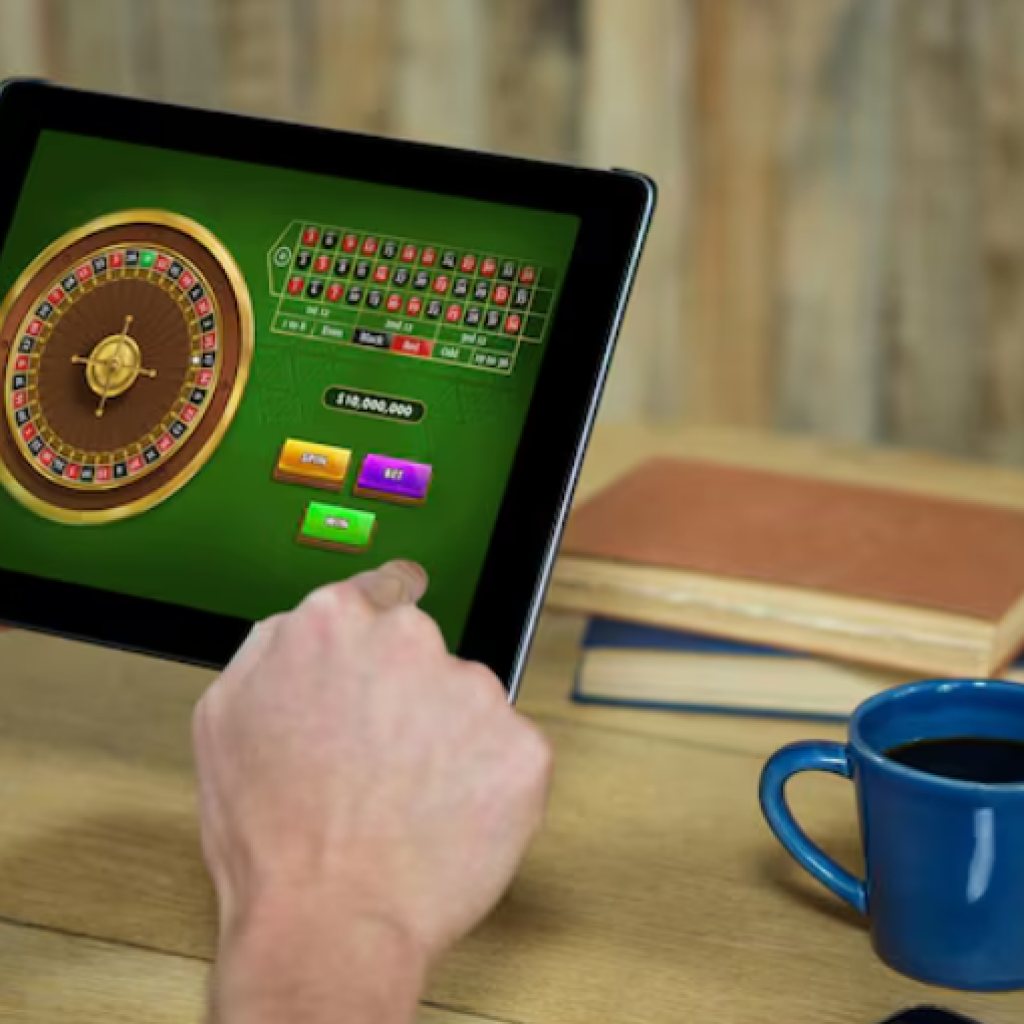
Online gaming has slowly become something people do without even calling it gaming anymore, and that shift feels kind of strange when you think about it closely. It is not like people sit down and plan it properly, most of the time it just happens during small gaps in the day. A few minutes waiting for something, or maybe just avoiding boredom for a while, that is usually enough.
What stands out is how normal it feels now compared to a few years ago. Earlier, gaming felt like a dedicated activity with setup and focus. Now it sits quietly in between other tasks. That change did not happen loudly, it just settled in over time without much attention.
There is also this loose pattern where users do not really stick to one platform for long. They move around, try something new, leave quickly, come back later. It is not structured behavior at all, but it works for them in a very practical sense.
This kind of casual interaction has reshaped how people even define entertainment in digital spaces.
Simple Entry Gaming Culture
One of the biggest reasons browser gaming keeps growing is because entry is almost effortless. There is no need to download large files or wait for installations that take forever on slower networks. That alone removes hesitation for a lot of users.
People also like the fact that they can just open a page and start immediately. That instant access changes expectations over time. If something takes too long to load, users often leave without even thinking twice.
Another interesting point is how low commitment the experience is. There is no pressure to continue if it does not feel fun. You can close it anytime and nothing is lost in a serious way. That freedom makes the experience feel lighter.
Even users who normally play heavy mobile games still end up using simple browser games when they want something quick. It fills a different kind of need that more complex games do not always cover.
That balance between simplicity and availability keeps this format stable in a fast-changing digital environment.
Interface That Disappears
Good gaming interfaces today are almost invisible in how they work. Users are not supposed to think about navigation or layout, they are just supposed to click and play without confusion. That is becoming the standard expectation.
If an interface feels even slightly complicated, users tend to drop off quickly. That reaction happens fast, usually within the first few seconds of interaction. So platforms focus heavily on reducing friction at every step.
Menus are usually minimal now, sometimes almost too simple, but that simplicity serves a purpose. It reduces decision fatigue and keeps users focused on actual gameplay instead of options.
Fonts, spacing, and button placement also play a quiet but important role. If anything feels off visually, users might not explain it, but they still leave. That is how sensitive attention has become.
Everything is designed to feel natural, even if a lot of work is happening behind the scenes to make it feel that way.
Lightweight Gaming Preference
There is a growing preference for lightweight games that do not demand too much from devices. Not everyone has high-end hardware, and even those who do often prefer faster experiences over heavy ones.
This preference is not only about speed but also about convenience. Lightweight games load quickly, respond fast, and rarely crash on average connections. That reliability matters more than graphics in many cases.
Users also tend to switch between multiple games in a single session. If something feels slow or heavy, they simply move on. That behavior pushes platforms to keep everything optimized.
Battery usage on mobile devices is another hidden factor influencing this trend. People notice when something drains power too quickly, and they avoid it afterward without thinking twice.
So the shift toward lighter experiences is not accidental, it is shaped directly by user behavior and limitations of everyday devices.
Random Play Sessions
Gaming sessions today are often random and unplanned. People do not always sit with the intention of playing for a long time. Instead, they open a game during idle moments and stop whenever something else demands attention.
This creates very short bursts of engagement rather than long structured sessions. Sometimes it is two minutes, sometimes twenty, but rarely fixed in advance.
There is also a strong multitasking pattern. Many users keep games open in background tabs while doing other things like browsing, chatting, or working. They return whenever they feel like it.
This fragmented attention style is now common across most digital activities, not just gaming. But gaming fits into it very smoothly because it does not require continuous focus.
That flexibility is one of the reasons casual gaming keeps expanding even without heavy marketing or promotion.
Platform Discovery Flow
Discovery of gaming platforms is rarely planned. Most users do not search for a specific destination, they just stumble upon something through links, suggestions, or casual browsing.
Search behavior is usually very simple. People type basic terms instead of detailed queries, which means platforms need to be optimized for general visibility rather than niche targeting.
Social sharing also plays a role, but not in a structured way. Someone sends a link, another person clicks it out of curiosity, and that is usually enough to start engagement.
Once users enter a platform, they often explore randomly instead of following a fixed path. Suggested games, featured sections, and recently played lists guide them without forcing direction.
This kind of discovery loop keeps users inside longer than expected even if they originally came for something else.
Performance Expectations Rising
Performance expectations have quietly increased over time. Users now assume everything should load instantly, even on average internet connections. Anything slower feels outdated immediately.
Smooth gameplay is no longer a bonus feature, it is the baseline requirement. If there is lag or delay, users usually leave without reporting it. That makes performance issues hard to track.
Different browsers also create variations in experience, which forces developers to constantly test and adjust. A game that works perfectly in one environment may behave differently in another.
Server stability becomes important when traffic increases suddenly. Even small spikes in users can affect loading times if the system is not prepared properly.
So performance is not just a technical concern anymore, it directly affects whether users stay or leave within seconds.
Casual Competition Feel
Even in casual gaming, a light sense of competition often appears naturally. It is not always serious, but leaderboards or scores create small motivation loops for users.
However, most people do not focus deeply on competition. They treat it more like a side element rather than the main goal. That keeps the experience relaxed.
Some users enjoy trying to beat their previous score instead of competing with others. That personal improvement style is more common than external competition in casual environments.
The lack of pressure makes repeated attempts feel normal instead of stressful. Users can retry without feeling like they failed in a meaningful way.
This relaxed competitive structure is part of what keeps casual gaming appealing across different age groups.
Final Overview Reflection
Online gaming today is less about structured play and more about flexible digital interaction that fits into everyday life without effort. People use it as a quick break, a distraction, or sometimes just background activity while doing other things. That adaptability is what keeps it relevant across changing habits.
The entire ecosystem continues to move toward simplicity, speed, and low commitment usage patterns. In conclusion, platforms like yandex-games.org/ reflect this shift in a very direct way by focusing on quick access and casual engagement. The best approach for users is to explore different styles of games, avoid overthinking structure, and simply use them as short breaks when needed, without pressure or expectation attached.
Read also:-