
A comfortable home does not always come from luxury furniture, expensive renovations, or perfectly designed interiors copied from magazines every single season. Most people actually feel happier inside spaces that function smoothly, stay organized easily, and support normal daily routines without constant maintenance problems. homeleon.net shares practical home improvement ideas that focus more on comfort, usability, and realistic living instead of chasing design trends that disappear almost as quickly as they arrive.
Rooms Feel Better Organized
Many homes feel stressful simply because everyday items never really have proper places to stay. Clutter slowly builds across tables, counters, and shelves until rooms start feeling crowded without homeowners fully noticing the gradual change happening around them.
Simple organization usually works better than complicated systems requiring endless effort every week. Storage baskets, wall hooks, and drawer dividers can improve order immediately without expensive remodeling projects or custom furniture installations becoming necessary.
Open floor space matters more than people expect. Rooms with too much furniture often feel smaller and harder to clean regularly. Removing one unnecessary piece sometimes improves comfort faster than adding more decorations trying to solve the issue visually.
Organization should match realistic habits instead of aiming for impossible perfection constantly shown online. Easy systems usually last longer because people naturally continue using them without frustration afterward.
Clean layouts also help reduce mental exhaustion after long busy days. Calm environments tend to support relaxation much more effectively than visually overloaded rooms packed with random items everywhere.
Lighting Changes Everything Fast
Lighting affects comfort inside homes every single day, although many people underestimate how strongly it influences mood, focus, and relaxation levels throughout different hours.
Harsh white bulbs often create cold environments that feel tiring after sunset. Warm lighting generally makes bedrooms, living rooms, and dining areas feel calmer and more inviting naturally. Softer light temperatures also reduce eye strain during evenings.
Layered lighting creates more flexibility compared to relying only on one overhead fixture in each room. Table lamps, floor lamps, and wall lighting provide softer illumination while improving atmosphere overall.
Natural light should remain accessible whenever possible. Heavy curtains blocking windows unnecessarily can make interiors feel smaller and darker throughout daytime hours. Sheer curtains usually allow privacy while still letting sunlight enter comfortably.
Dark corners inside homes sometimes create gloomy atmospheres even when rooms are otherwise well designed. Additional lighting in neglected areas often improves spaces surprisingly quickly without major renovations.
Kitchen Spaces Need Function
A kitchen may look attractive visually while still feeling frustrating during everyday cooking routines. Functionality matters much more than decorative trends that seem exciting initially but become impractical after regular use begins.
Counter clutter creates unnecessary stress. Keeping only frequently used appliances visible usually makes kitchens feel cleaner, more spacious, and easier to manage during busy mornings or evening meal preparation.
Storage accessibility matters too. Pots, utensils, and ingredients should remain easy to reach without excessive bending or searching through overcrowded cabinets repeatedly. Pull-out shelving systems help improve organization without requiring complete remodeling.
Ventilation also deserves more attention. Cooking odors and moisture can spread through homes quickly when airflow remains poor around kitchen areas. Reliable range hoods improve comfort while helping maintain fresher indoor air overall.
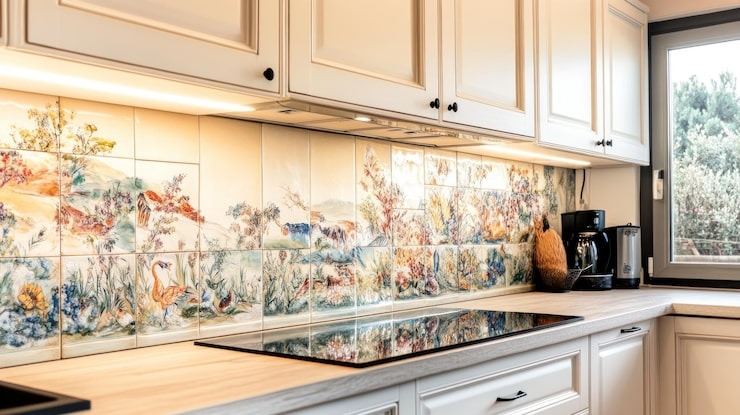
Lighting under cabinets improves visibility during food preparation while creating softer nighttime atmospheres compared to harsh ceiling lights alone.
Functional kitchens support daily routines quietly instead of constantly creating small frustrations everyone eventually notices.
Comfortable Furniture Lasts Longer
Furniture should support comfort first instead of existing purely for decoration or social media appearance. Beautiful pieces become disappointing quickly when they feel uncomfortable during normal everyday use.
Sofas need balanced support without becoming excessively firm or too soft over time. Durable fabric choices also matter, especially in homes with children, pets, or heavy daily use happening constantly.
Dining chairs deserve more attention than they usually receive. Poor seating can make family meals feel rushed because nobody enjoys sitting comfortably for very long afterward.
Coffee tables and side tables should fit room proportions naturally. Oversized furniture often interrupts movement while making spaces feel cramped unnecessarily.
Multi-functional furniture works especially well inside apartments or smaller homes. Storage ottomans, foldable tables, and modular shelving increase flexibility while reducing clutter around the house.
Comfortable furniture usually remains enjoyable much longer than trendy pieces chosen mainly for appearance.
Bedrooms Should Encourage Rest
Bedrooms work best when they support relaxation and sleep instead of becoming cluttered storage areas filled with distractions. Calm environments usually improve sleep quality more effectively than expensive decorative upgrades alone.
Soft lighting creates more relaxing nighttime atmospheres naturally. Bright overhead fixtures often feel too harsh during evenings when people need calmer surroundings before sleeping.
Bedding quality matters because people spend large portions of life resting there every night. Breathable materials and supportive pillows improve comfort much more noticeably than decorative accessories covering the bed.
Color choices influence mood subtly throughout the day. Neutral or softer tones usually feel easier to live with long term compared to extremely bold color combinations demanding constant visual attention.
Electronics inside bedrooms create mixed results. Some people sleep better after removing televisions, laptops, and bright phone screens from sleeping areas entirely.
A peaceful bedroom should feel separated from daily stress and constant noise happening elsewhere inside the house.
Bathrooms Need Practical Design
Bathrooms become uncomfortable quickly when storage, ventilation, or lighting feels poorly planned. Small practical improvements usually make bigger differences than expensive cosmetic upgrades alone.
Moisture problems create ongoing discomfort while increasing risks of mold growth around ceilings and walls. Quality exhaust fans improve airflow while helping mirrors clear faster after showers.
Storage should remain accessible without overcrowding counters constantly. Floating shelves, recessed cabinets, and drawer organizers help maintain cleaner layouts inside smaller bathrooms especially.
Lighting near mirrors needs proper balance. Extremely bright lighting feels harsh, though dim lighting creates difficulty during grooming routines. Warm white bulbs generally provide more comfortable visibility overall.
Non-slip flooring improves safety while softer bath mats make colder floors feel more comfortable during mornings and evenings.
Bathrooms work best when convenience and comfort remain the main priorities instead of chasing luxury hotel aesthetics impossible to maintain realistically.
Outdoor Areas Deserve Use
Outdoor spaces often become forgotten corners filled with unused furniture or storage clutter instead of relaxing extensions of the home itself. Even small balconies or patios can feel inviting after a few practical adjustments.
Comfortable seating encourages people to spend more time outdoors naturally. Cheap furniture that feels uncomfortable after ten minutes usually stays unused most of the year afterward.
Shade remains important during warmer seasons. Umbrellas, pergolas, or outdoor curtains improve comfort significantly by reducing direct sunlight exposure during afternoons.
Plants instantly soften outdoor environments while adding natural color and texture. Container gardening works particularly well for renters or homes without large yard areas available.
Outdoor lighting creates better evening atmospheres while improving visibility around pathways and entrances. Soft warm lighting usually feels more welcoming than harsh floodlights pointed across every surface.
Outdoor comfort does not require complicated landscaping projects. Small thoughtful upgrades often create enough improvement already.
Flooring Impacts Daily Living
Flooring affects comfort constantly because people interact with it throughout every room inside the house. Some materials appear attractive initially yet become difficult to maintain after normal wear starts affecting surfaces regularly.
Hardwood floors remain popular because they feel timeless and durable when maintained properly. Still, scratches and moisture damage can create frustration in busier households with pets or children moving around often.
Luxury vinyl flooring gained popularity because it handles spills and heavy traffic more effectively while requiring less maintenance overall. Many homeowners appreciate the durability and easier cleaning routines.
Rugs soften walking surfaces while reducing echo throughout larger spaces. They also help rooms feel warmer visually during colder seasons without requiring expensive renovations.
Glossy flooring often shows dust, smudges, and scratches constantly under normal lighting conditions. Matte finishes usually hide wear more effectively while feeling easier to maintain daily.
Practical flooring choices create less long-term stress than delicate materials needing constant attention afterward.
Air Quality Changes Comfort
Indoor air quality influences sleep, energy, and comfort more than many households realize initially. Dust, stale air, humidity, and poor ventilation slowly affect living conditions every single day.
Opening windows occasionally improves airflow while helping reduce trapped odors indoors naturally. Fresh air circulation makes homes feel noticeably cleaner and less heavy overall.
Air purifiers help certain households, especially near busy roads or dusty environments where particles accumulate quickly indoors. Cleaner air often improves comfort during sleep and daily activities.
Humidity balance matters too. Excess moisture encourages mold growth while overly dry air irritates skin and breathing passages during colder months.
Houseplants may not completely transform air quality like exaggerated online claims suggest, though they still improve indoor atmosphere visually while adding natural texture to rooms.
Cleaner air creates homes that feel fresher, calmer, and easier to relax inside consistently.
Maintenance Prevents Bigger Problems
Regular home maintenance feels boring sometimes, though ignoring small issues often creates expensive repairs later. Minor leaks, cracks, or ventilation problems gradually worsen when left unresolved for too long.
Heating and cooling systems require regular servicing to maintain efficiency and indoor comfort properly. Dirty filters reduce airflow while circulating dust continuously around the house.
Window sealing also matters more than many homeowners expect. Small gaps allow drafts, moisture, and outdoor noise to enter living spaces constantly throughout different seasons.
Roof inspections help prevent hidden water damage spreading quietly behind ceilings or walls. Detecting problems early usually saves significant repair costs later.
Routine maintenance keeps homes functioning comfortably without sudden unexpected breakdowns disrupting daily life unnecessarily.
Comfort Matters More Than Trends
A comfortable home does not need perfect styling, luxury finishes, or constant redesigns following changing online trends every few months. Practicality usually matters far more than visual perfection alone.
Small realistic improvements often create bigger long-term benefits than oversized renovation projects causing stress and financial pressure for extended periods. Better lighting, organized storage, comfortable furniture, and cleaner layouts all improve daily living naturally.
Homes should support the people living inside them instead of forcing impossible standards nobody can maintain consistently. Thoughtful practical decisions generally age better while creating calmer environments over time.
Comfort grows gradually through useful habits, regular maintenance, and functional design choices repeated consistently. The goal should always remain easier everyday living instead of temporary visual impact alone.
Visit HomeLeon for more practical home improvement ideas, realistic organization tips, and useful solutions that help create cleaner, calmer, and more comfortable living spaces without unnecessary complications.
Read also :-
