
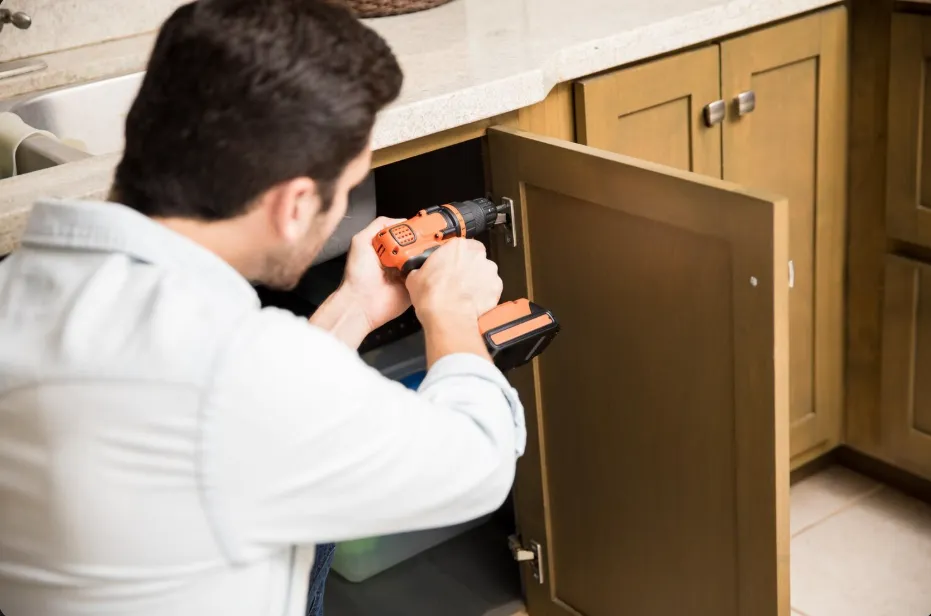
New cabinets are a first step in kitchen and bathroom renovations, as they impact the way items are stored as well as their visual appearance. However, before doing any renovations, many homeowners seek pricing information.
Cabinetry installation in Philadelphia ranges from $4,500 to $15,000, depending on cabinet style, labor, layout modifications, and the quality of materials.
Older Philadelphia residences can also add labor, as installers might find out-of-level walls, damaged drywall, or outdated plumbing during the demolition process. Understanding what affects costs helps homeowners plan their renovation within budget.
Average Cost to Install Cabinets in Philadelphia
The price of installing a cabinet depends on the size and complexity of the job. Stock cabinets can still work for a small kitchen while remaining cost-effective. That essentially means a huge kitchen with high-quality materials costs much more because it takes longer to work and process.
Stock cabinets are typically the cheapest option since they come in standard sizes and appearances. Semi-custom cabinets are more expensive but offer more flexibility and customization options to the homeowner. Fully custom cabinets are at the highest in the price range, as each is created to fit the room.
Stock cabinet installation costs: $100 to 300 per linear foot for homeowners in Philadelphia. Semi-Custom Cabinetry: $150 to 650 per linear foot. Custom cabinetry can be even more, over $800 per linear foot, depending on finishes and quality of materials used.
The total project cost also depends on labor. The installation can be longer in older Philadelphia homes as they have uneven walls, damaged flooring, and older framing.
What Actually Impacts the Cost of Cabinetry Installation?
There are a number of factors that affect the cost of cabinet installation in Philadelphia.
Cabinet Type and Material Selection
Cost and lifespan of a cabinet depend on the material. Solid wood cabinets are usually higher priced since they have a greater quality finish, along with longevity, than manufactured ones. On the other hand, laminate and MDF cabinets remain a little more friendly on homeowner budgets who also want to keep renovation costs lower.
Stock cabinets are suitable for simple kitchen layouts and quick setup. Semi-custom cabinetry offers greater options than stock cabinetry, but it is not as expensive as custom options.
Kitchen Size and Cabinet Quantity
The size of the kitchen naturally requires the need of more cabinets. The more cabinets added, the more materials are required, along with labor hours and finishing work. If a kitchen is compact, then there may only be a few upper and lower cabinets needed. The larger open kitchen could have an oversized island, pantry walls and extended storage systems.
Labor and Installation Complexity
Simple cabinet replacement is easier and more affordable because laborers can work with the existing layouts. Labor costs rise rapidly with more complex projects. Crooked walls, uneven floors and older construction often require more preparation before the cabinet installation begins.
Cabinet Hardware and Finishing Details
When attention is focused on the finishing details, they can unexpectedly increase the budget. Finishes like crown molding, custom trim, decorative pulls and soft-close hinges all increase the material and labor expenses.
Custom Cabinet Design Requirements
Custom cabinets require more detailed planning before installation because homeowners have different modern design requirements. The cost adds up fast when they require modern cabinetry designs inside older kitchen layouts.
Removal of Existing Cabinets
The cabinet removal process is another layer of labor that many homeowners overlook early in the planning process. Countertops, cabinet removal and hauling debris are some important and careful measurements that contractors must do.
Plumbing and Electrical Modifications
Older Philadelphia homes sometimes require plumbing and electrical adjustments before the cabinet installations. Moving sinks, dishwashers, or lighting fixtures also increases the labor professionals may require to update the existing systems.
Cabinet Storage Features and Accessories
Cabinet storage upgrades like pull-out spice racks, lazy susans, and deep drawers no doubt increase kitchen functionality, but also increase overall pricing. Many homeowners still choose these features because they increase everyday convenience and organization.
Countertop and Appliance Adjustments
New cabinetry often connects directly with countertop replacement and appliance upgrades. Replacing a larger refrigerator or double ovens may also require cabinet modifications before installation begins.
Philadelphia Home Age and Structural Conditions
Older homes of Philadelphia often hide structural issues behind existing cabinets. Uneven framing, damaged plaster, water damage or outdated utility conditions are often uncovered after cabinet removal. The older properties, in particular, require additional labor because older construction rarely fits modern cabinetry dimensions.
Kitchen vs Bathroom Cabinet Installation Costs
Kitchen cabinet installation usually costs much more than bathroom cabinet installation. It is because kitchen cabinets require a larger layout and more cabinetry overall. However, the bathroom vanity installation may range between $500 and $3,000, depending on cabinet size and finish quality.
On the other hand, full kitchen cabinetry projects often begin at several thousand dollars and increase with customization and layout complexity. Laundry room cabinetry and mudroom storage projects generally fall somewhere between those price ranges.
Hidden Costs Homeowners Often Forget
Most homeowners budget only for cabinet pricing and installation labor. Yet smaller overlooked expenses add up fast once the project has started.
Cabinet Removal and Disposal Fees
Many homeowners focus on installation cost, which quickly goes hand in hand with completely forgetting the cost of trash. Cabinet removal and debris disposal may be charged as a separate cost by contractors.
Countertop Removal and Reinstallation
Occasionally, cabinets need to be installed first before countertops are temporarily removed. The labor goes up on heavier stone surfaces because the installer has to handle them carefully when reinstalling.
Permit and Inspection Costs in Philadelphia
Some remodels may require permits depending on the extent of plumbing, electrical, or structural work related to the renovation. For bigger projects, you might also have to pay inspection fees.
Unexpected Repairs Behind Existing Cabinets
Cabinet removal often reveals hidden problems behind walls. One of the biggest problems discovered when owners pull out their sinks is nasty water stains from leaks. Contractors might also discover mold, rotting drywall, or old electrical wiring when the work of demolition starts.
Ways to Save Money on Your Cabinetry Installation
Cabinet installation is one expense that can get out of hand, particularly when it comes to larger kitchen renovations. There are three ways to cut back on renovation costs by going with practical upgrades, keeping the existing layouts and avoiding any structural changes.
Choose Semi-Custom Instead of Fully Custom
This offers a little more flexibility than fully custom work, without the price tag of entirely custom cabinets. The results are still premium-looking, but the project is completed within a reasonable budget.
Compared to stock cabinets, these offer additional design choices, storage options and finish selections. Homeowners frequently assume they can specify certain discrete dimensions for pieces without adding the much higher fabrication costs of fully custom cabinets.
Keep Existing Plumbing Layouts
The more you can leave sinks and appliances where they are, the lower your labor costs. Removing plumbing can drive renovation costs up quickly. Unless you are adding or replacing a wall, moving pipes behind walls requires demolition and repairs — as well as work by licensed plumbing professionals to reconfigure pipe systems. Maintaining the existing kitchen layout is often a time-saver, and it helps owners stick more closely to their renovation budget.
Reface Instead of Replace When Possible
When cabinet frames are structurally sound, then you can better proceed with cabinet refacing. A way to open up much space without new cost, fully alternative by swapping doors, drawer fronts and hardware. Refacing is popular among homeowners who want a streamlined appearance without tearing out the entire cabinet system. Along with minimizing efforts on demolition, this option shortens the installation time a lot.
Install Cabinets During a Full Remodel
Pairing cabinet installation with any larger remodeling project helps you schedule your contractor and save on labor overall. This gives contractors better efficiency with flooring, electrical work, plumbing updates and cabinet installation; handling all of these during the same renovation phase means a quicker turnaround. This often saves homeowners from paying for the same labor more than once or waiting long after the scheduled work.
Final Thoughts
The cost of Cabinetry installation that Philadelphia homeowners pay depends on several factors: cabinet style, labor complexity (the amount of labor involved in the task), changes to layout & the condition of the home.
Some projects remain simple with standard cabinet replacements, while others involve custom storage solutions, plumbing updates, and structural repairs that increase the overall budget. Careful planning helps homeowners avoid surprises later in the renovation process.