
Your heating and cooling system runs almost continuously through the hottest and coldest months of the year, and the honest truth is that most homeowners do not think about it at all until something stops working. That kind of neglect is exactly what turns a system that should last fifteen to twenty years into one that needs expensive repairs or full replacement in under ten. Staying on top of consistent HVAC maintenance is not complicated, but it does require some regular attention and the occasional professional tune-up to keep everything running the way it should when you need it most.
The single most impactful thing you can do between professional service visits is check and replace your air filter regularly. A dirty filter forces your system to work significantly harder to pull air through, which raises your energy bills, strains the blower motor, and accelerates wear on components throughout the entire system. Most filters should be checked monthly during periods of heavy use and replaced every one to three months depending on the filter type and how much dust or pet dander your home generates. That one simple habit extends the life of your equipment and keeps your indoor air quality at a level that actually makes a difference for anyone in the house with allergies or respiratory sensitivities.
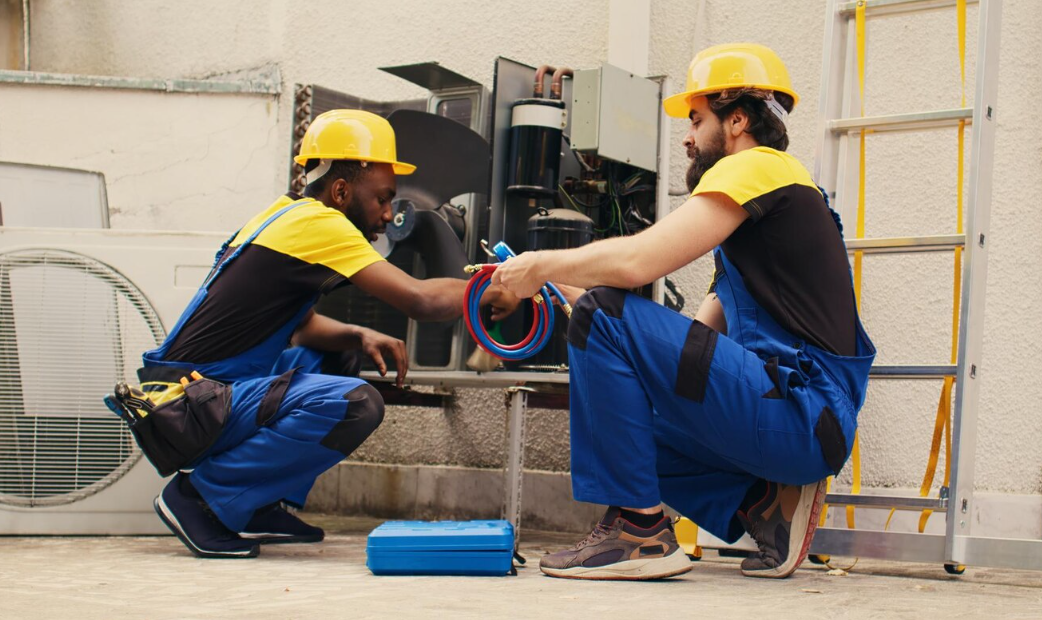
Professional HVAC tune-ups, ideally scheduled once in the spring before cooling season and once in the fall before heating season kicks in, give a trained technician the opportunity to catch problems before they become failures. Refrigerant levels, coil cleanliness, condensate drain condition, electrical connections, and system controls all need to be checked and adjusted regularly to keep performance where it should be. These are not things the average homeowner can assess on their own, and catching a refrigerant leak or a failing capacitor early costs a fraction of what an emergency breakdown repair runs during the middle of summer. According to ENERGY STAR’s HVAC maintenance checklist, cleaning evaporator and condenser coils, inspecting the condensate drain, checking refrigerant levels, and verifying that the system starts and shuts off correctly are all standard components of a professional maintenance visit that directly impact both efficiency and equipment lifespan.
Ductwork is another area that gets overlooked far too often. Leaky ducts can cause your system to lose up to twenty to thirty percent of the conditioned air it produces before it ever reaches the rooms you are trying to heat or cool, and that wasted energy shows up directly on your utility bill every month. Sealing and insulating accessible ductwork is one of the higher-impact improvements available to most homeowners and something a qualified HVAC technician can assess and address as part of a comprehensive service visit.
The Family Handyman’s home maintenance tips for homeowners consistently emphasize that HVAC system care is one of the tasks most commonly skipped and most frequently regretted, because the consequences of neglect tend to arrive at the most inconvenient times possible. Staying ahead of your system’s maintenance needs is simply the smarter and more cost-effective approach in every situation.