
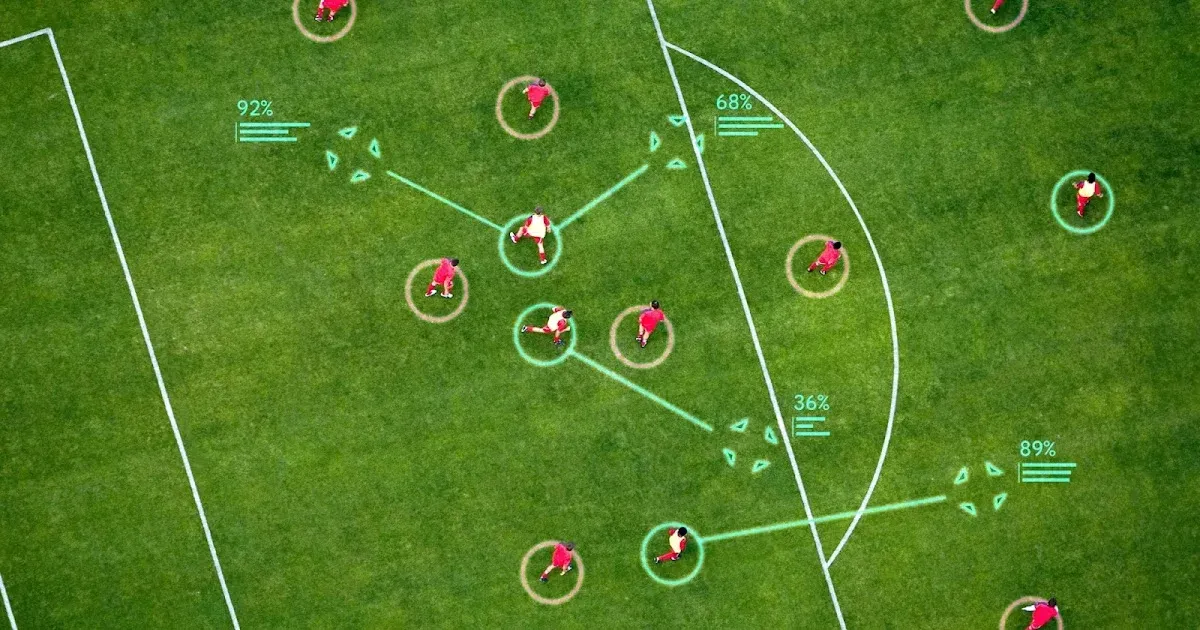
Football Analytics has completely reshaped how modern football is played, coached, and understood. What once relied purely on intuition and experience is now supported by advanced data models, performance metrics, and predictive insights. From grassroots academies to elite European clubs, data-driven decision-making is no longer optional—it’s essential.
A decade ago, most fans associated analytics with baseball. Today, football clubs across the Premier League, La Liga, Bundesliga, and even emerging leagues are investing heavily in data science teams. Managers study dashboards before planning training sessions. Scouts rely on algorithm-backed shortlists. Broadcasters use real-time data to explain tactical patterns to viewers.
But beyond the buzzwords, what exactly makes Football Analytics so powerful? And why has it become a competitive advantage rather than just a support tool?
Let’s explore how data is quietly running the modern game.
Table of Contents
ToggleThe Evolution of Football Analytics in Modern Football
The roots of Football Analytics trace back to simple match statistics such as possession percentages, shots on target, and passing accuracy. However, as tracking technologies evolved, the data landscape expanded dramatically.
Clubs began collecting event data covering every pass, tackle, interception, sprint, and shot. Optical tracking systems then started recording player movements at multiple frames per second. Analysts could measure off-the-ball runs, pressing intensity, and defensive line height with precision.
Recruitment departments adopted data-driven models inspired by analytics revolutions in other sports. Instead of signing players based purely on reputation, teams identified undervalued talent through performance indicators.
Today, Football Analytics integrates machine learning, artificial intelligence, and predictive simulations. It focuses not only on what happened but also on forecasting future performance trends.
How Football Analytics Impacts Match Strategy
When fans watch a match, they see players competing intensely on the pitch. Analysts, however, observe patterns, spatial control, and probability models shaping every move.
Modern Football Analytics helps coaches detect high-probability scoring zones, weaknesses in opposition pressing, and fatigue patterns that appear late in games. Expected Goals models evaluate shot quality rather than simply counting attempts.
A team may dominate possession yet struggle to score. Data analysis often reveals that their shots originate from low-probability areas. This insight directly influences training sessions and tactical adjustments.
Pressing metrics measure how quickly possession is regained after loss. Defensive compactness indicators show structural discipline. Passing networks demonstrate midfield connectivity and attacking flow.
Coaches now validate tactical decisions through measurable evidence while still applying their football experience and intuition.
Football Analytics in Player Recruitment and Scouting
Recruitment represents one of the most financially sensitive aspects of professional football. A single transfer mistake can significantly impact a club’s stability. That is why Football Analytics has become central to modern scouting.
Instead of relying solely on in-person scouting, clubs use global data platforms to filter players by performance metrics. Progressive passes, defensive duel success rates, and chance creation frequency provide deeper evaluation layers.
A midfielder playing in a lesser-known league might not gain media attention. Yet analytics may show he ranks among the top performers in forward passes under pressure. This discovery can transform a club’s future.
Data-driven recruitment also reduces bias. It shifts attention from reputation to measurable contribution, offering opportunities to overlooked talents worldwide.
Successful clubs combine video analysis, live scouting, and advanced metrics to build sustainable squads.
The Science Behind Performance Optimization
Performance departments increasingly rely on Football Analytics to optimize training and recovery.
GPS tracking devices monitor sprint speeds, acceleration bursts, and overall workload intensity. This information allows coaching staff to balance effort and prevent overtraining.
Recovery analytics examine sleep quality, muscle fatigue, and physical stress indicators. Players receive personalized programs rather than standardized rest schedules.
If a winger consistently shows reduced output after the 70th minute, performance data might reveal excessive early sprinting. Tactical adjustments can preserve energy and improve consistency.
Sports scientists and analysts collaborate to ensure players remain at peak performance while minimizing injury risk.
Football Analytics and Fan Engagement
Football Analytics has also transformed the fan experience.
Broadcasters now integrate real-time expected goals charts, heat maps, and passing diagrams during live matches. Supporters gain deeper insight into tactical developments.
Fantasy football platforms use advanced data projections to help users make strategic decisions. Online discussions increasingly reference performance metrics rather than simple goal counts.
For fans who enjoy understanding the tactical battle behind every match, analytics provides richer context and engagement.
The Role of Artificial Intelligence in Football Analytics
Artificial intelligence continues to elevate Football Analytics to new levels.
Machine learning algorithms predict performance trajectories based on historical data patterns. AI-driven simulations test different tactical setups before matches even begin.
Automated video tagging systems quickly identify key match events, saving analysts valuable preparation time.
However, technology does not replace human judgment. Weather conditions, team morale, and in-game momentum remain complex variables beyond full algorithmic control.
The strongest competitive advantage comes from combining computational power with experienced football insight.
Ethical Considerations in Football Analytics
The expansion of Football Analytics raises important ethical questions.
Tracking systems gather extensive biometric and performance data. Concerns about privacy, consent, and data ownership continue to grow.
Players must understand how their information is collected and used. Transparent governance frameworks are necessary to maintain trust between athletes and organizations.
Responsible data practices ensure long-term sustainability and protect the integrity of the sport.
Grassroots Development and Youth Academies
Football Analytics is increasingly accessible beyond elite competitions.
Youth academies use video tools and wearable devices to monitor technical and tactical development. Coaches evaluate decision-making speed, positional awareness, and passing efficiency from early stages.
Young players receive specific improvement feedback based on measurable evidence. This structured approach accelerates development.
In regions with limited scouting exposure, digital performance data provides new pathways for talented players to gain recognition.
Challenges and Limitations of Football Analytics
Despite its growth, Football Analytics has limitations.
Excessive reliance on numbers may risk diminishing creativity and spontaneity. Football remains emotional and unpredictable.
Smaller clubs may struggle with the cost of advanced systems. Data inconsistencies across leagues can affect comparative accuracy.
Leadership qualities, adaptability, and mental resilience remain difficult to quantify fully.
Analytics should enhance decision-making rather than dominate it.
The Future of Football Analytics
The future of Football Analytics lies in deeper predictive modeling and real-time decision support.
Managers may soon receive instant substitution impact probabilities during matches. Wearable devices could provide live fatigue alerts directly to coaching staff.
Virtual reality combined with performance data might allow players to rehearse tactical situations before stepping onto the pitch.
As technology advances, integration between sports science and data science will continue to strengthen. Clubs investing in innovation today are positioning themselves for sustained success.
Real-World Impact Stories
Several professional clubs have improved competitive performance through strategic use of Football Analytics.
Mid-level teams have qualified for continental competitions after identifying undervalued players through advanced metrics. Defensive improvements often follow detailed pressing and positioning analysis.
International coaching staffs now rely on extensive data modeling when preparing for tournaments. Opponent tendencies are studied weeks in advance using analytical reports.
Behind many breakthrough seasons stands a carefully constructed analytical framework supporting tactical and recruitment decisions.
Why Football Analytics Matters More Than Ever
The modern football environment is intensely competitive, with minimal margins separating victory and defeat.
A single optimized transfer, injury prevention strategy, or tactical shift can define an entire campaign.
Football Analytics provides structured clarity in high-pressure decision-making environments. It reduces uncertainty while strengthening strategic planning.
As football continues evolving globally, analytics will remain central to innovation, sustainability, and competitive excellence.
Read also:-
poland national football team vs netherlands national football team lineups
chile national football team vs brazil national football team lineups
england national football team vs latvia national football team lineups
usmnt vs mexico national football team lineups
